
Spray Foam Insulation vs Traditional Insulation: What Is the Difference?
Insulation is crucial not only for thermal regulation but also for energy conservation and acoustic management. Between spray foam and traditional insulation, understanding each type's benefits, drawbacks, and applications can guide informed decision-making. Let's explore the key differences between spray foam insulation and traditional insulation, providing insight into their structural, financial, and environmental impacts in residential and commercial settings.
Composition and Application Methods
Chemical Makeup of Spray Foam Insulation
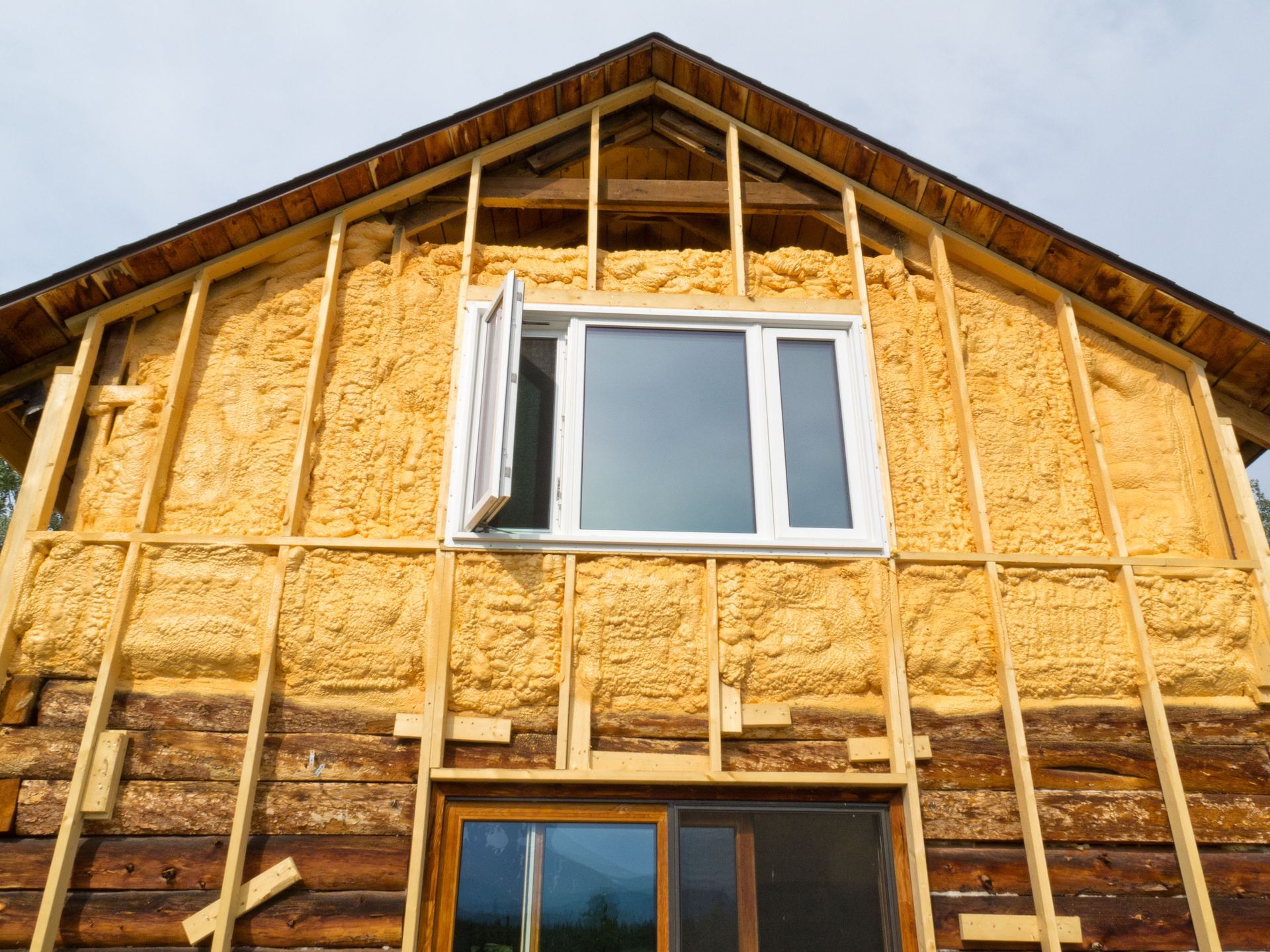
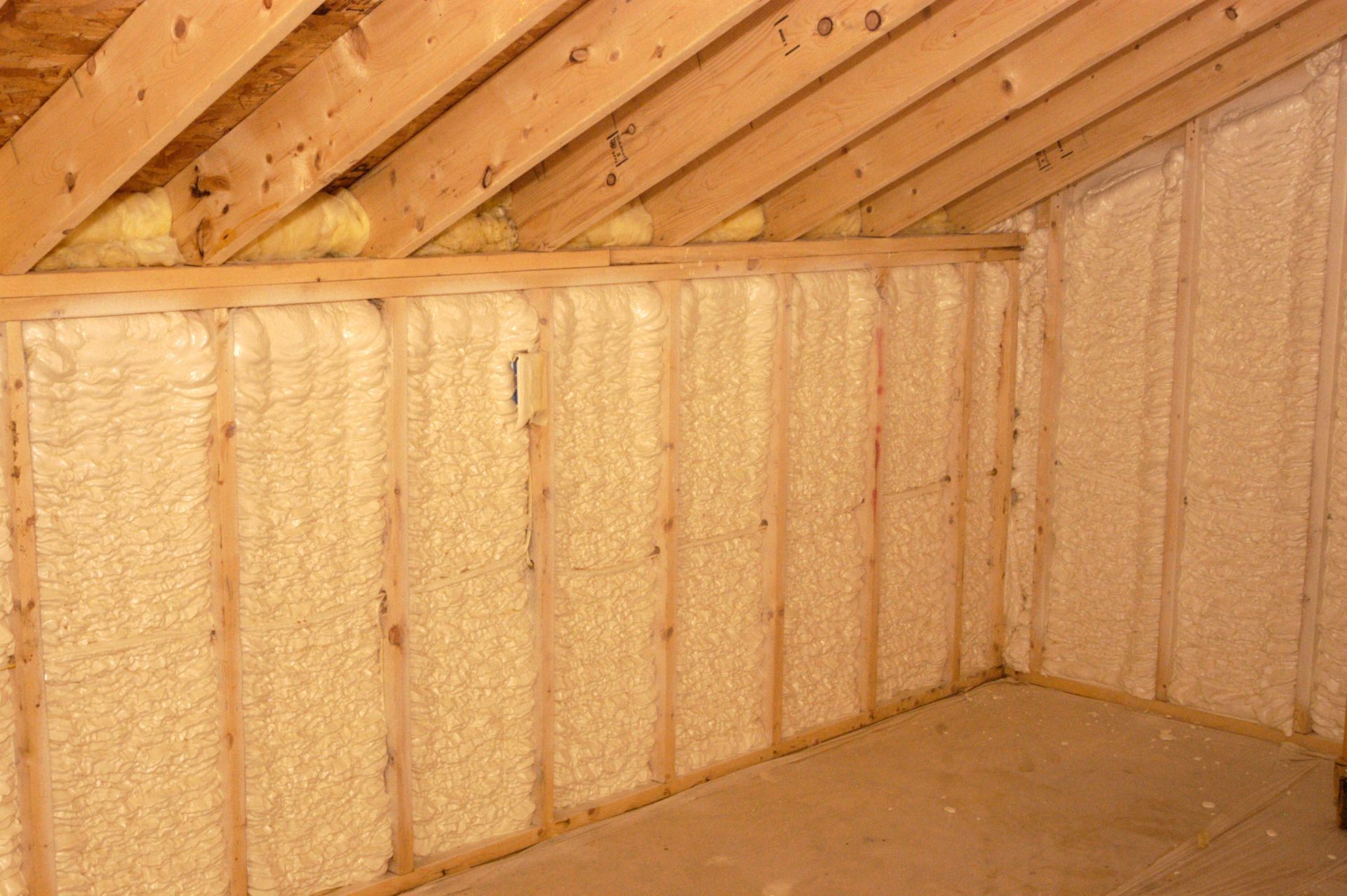
Spray foam insulation is composed primarily of resin, forms a foam capable of creating a tight seal against moisture and air. This chemical process provides excellent adhesive properties, allowing the foam to stick well to most surfaces. Moreover, it expands upon application, filling small cracks and crevices that traditional insulation might miss. The unique chemistry of spray foam provides a superior barrier due to its expansive and impenetrable nature. This is beneficial in ensuring a more consistent thermal envelope around the building.
Materials Used in Traditional Insulation
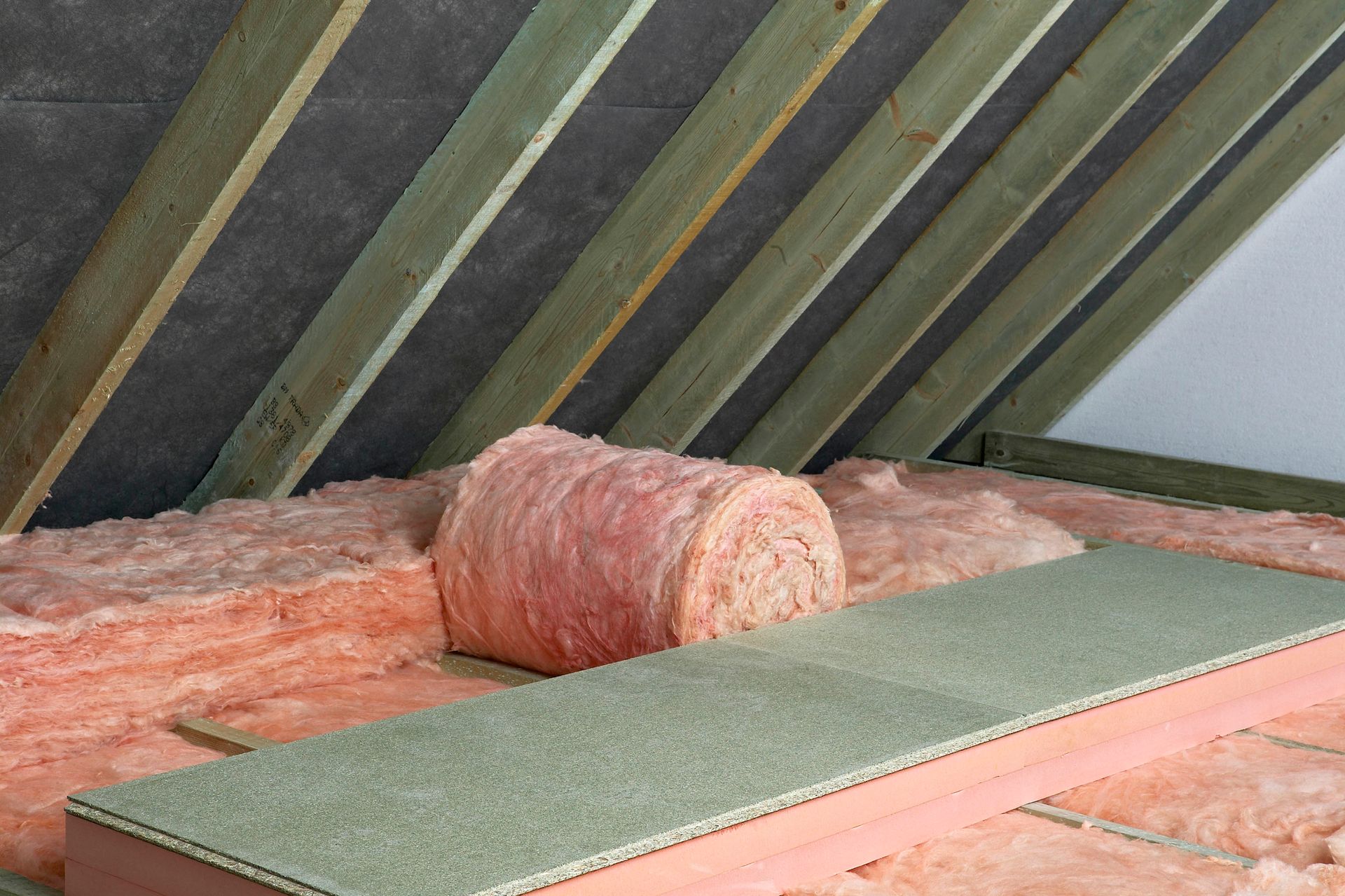
Traditional insulation typically includes fiberglass, cellulose, and foam board, each varying in composition and characteristics. Fiberglass, made from fine glass fibers, is the most common due to its cost-effectiveness and ease of installation. Cellulose, often composed of recycled paper products, provides an eco-friendly option with good thermal capabilities. Foam boards provide high R-values per inch and are often used in specific applications where space is limited. Each traditional material offers distinct benefits, but they can all be limited by their inability to seal air gaps as effectively as spray foam.
Installation Process for Spray Foam
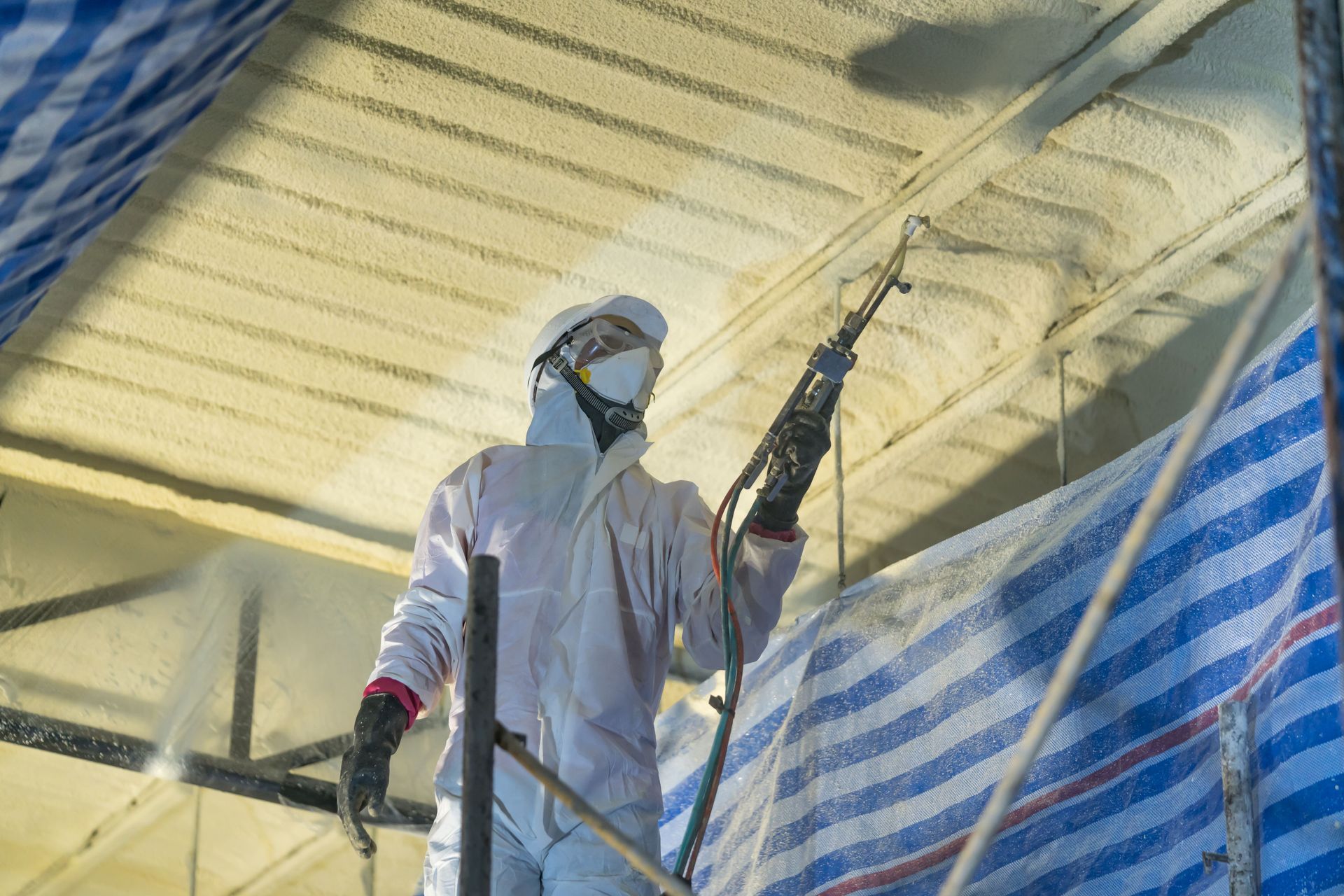
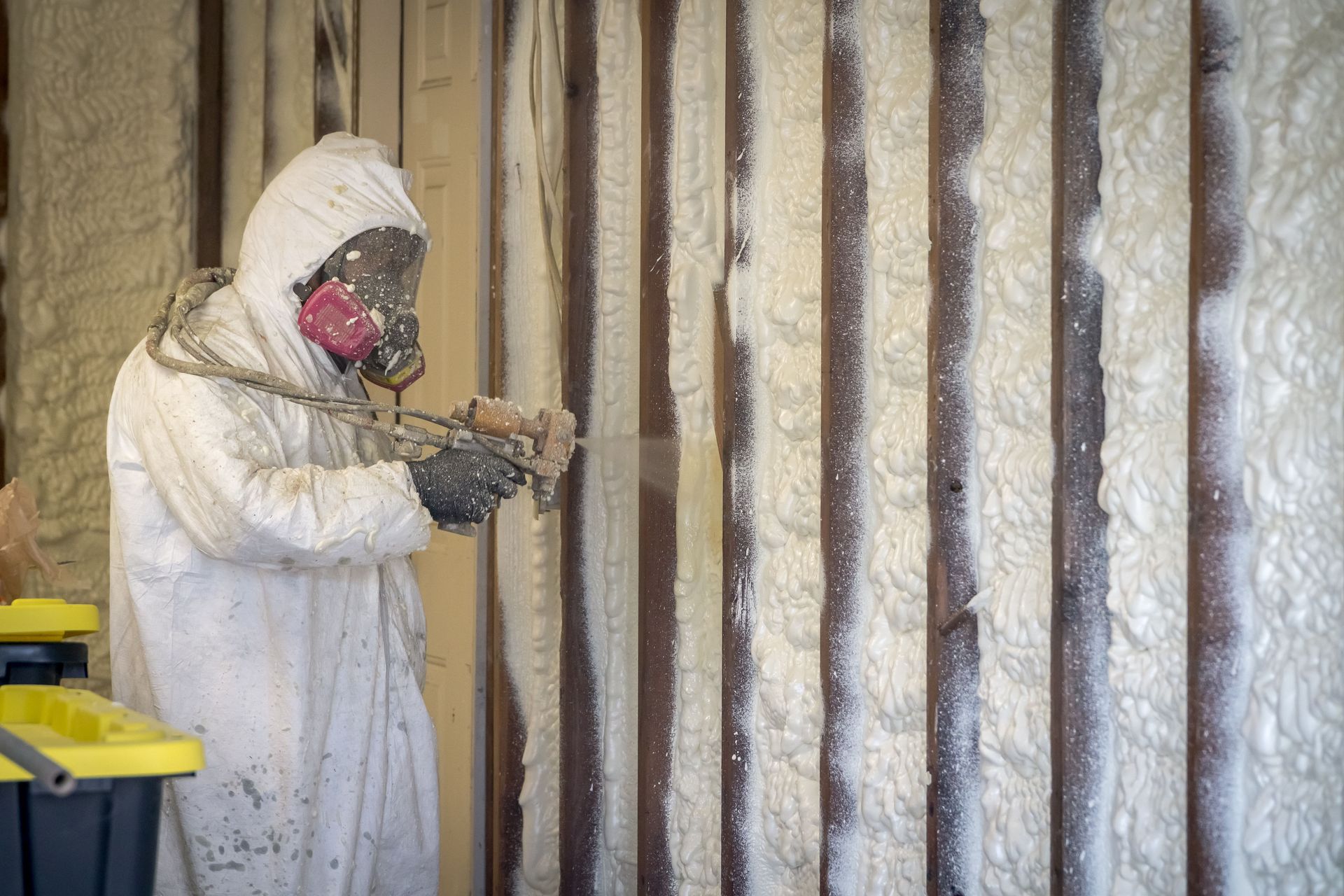
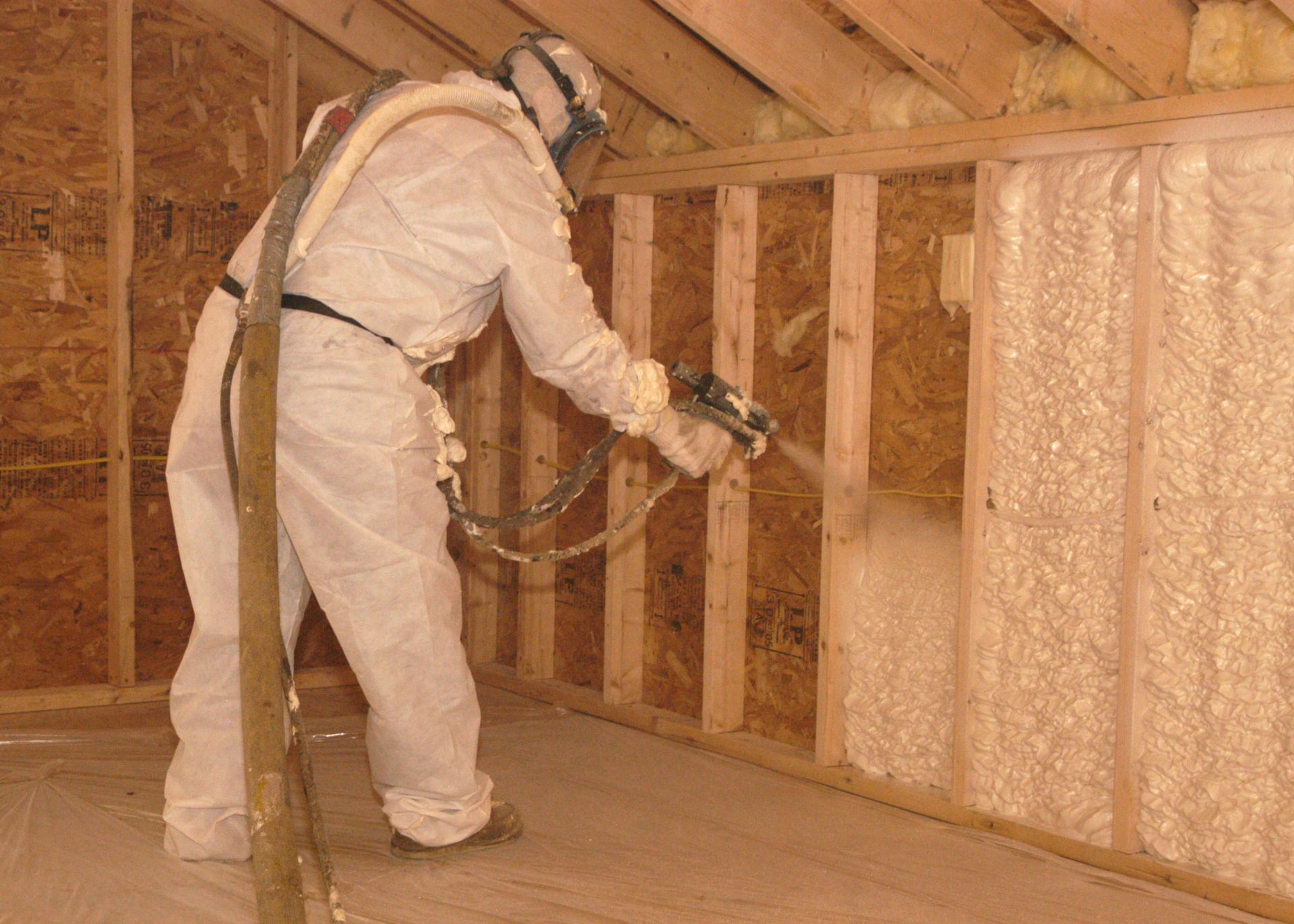
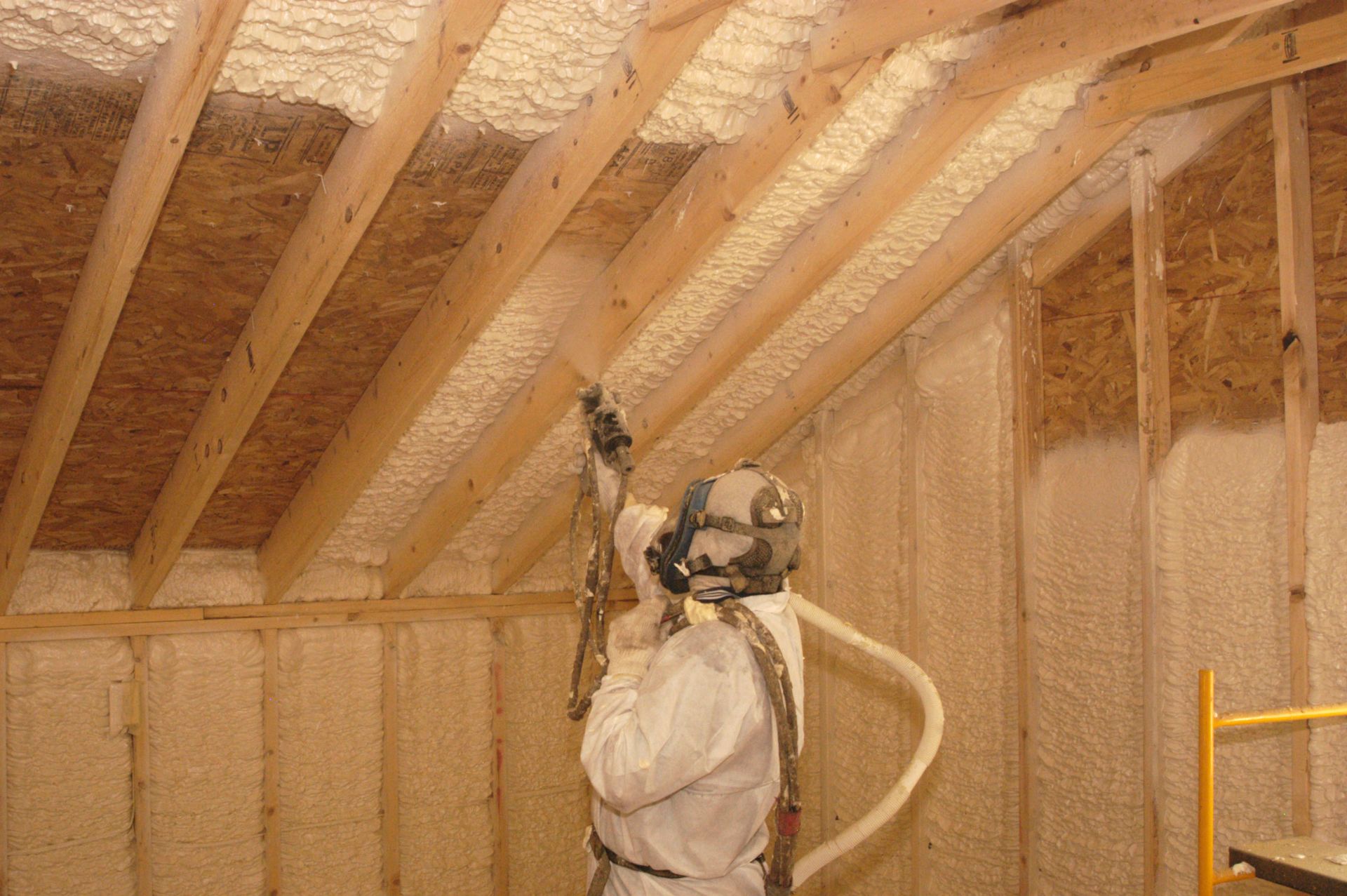
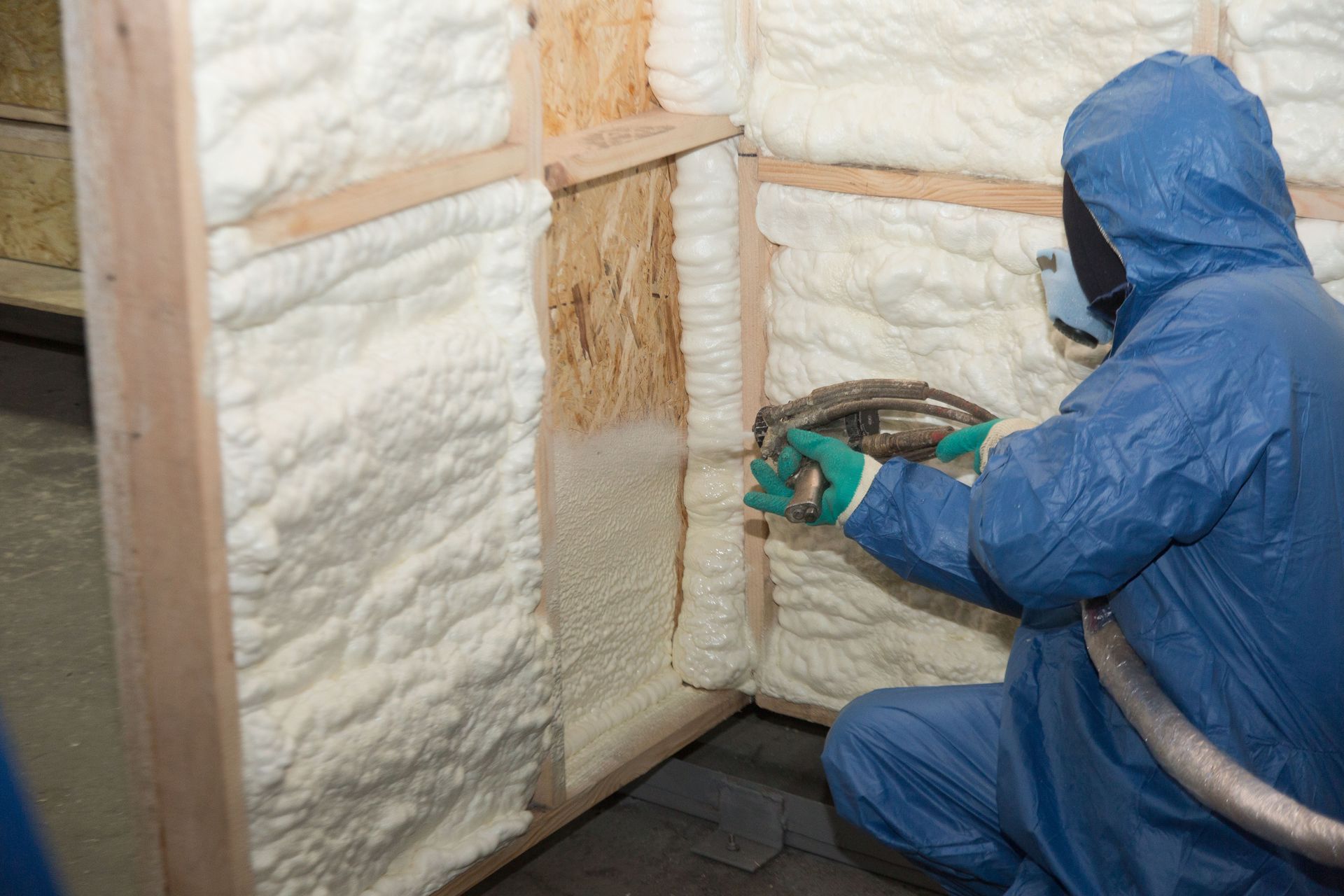
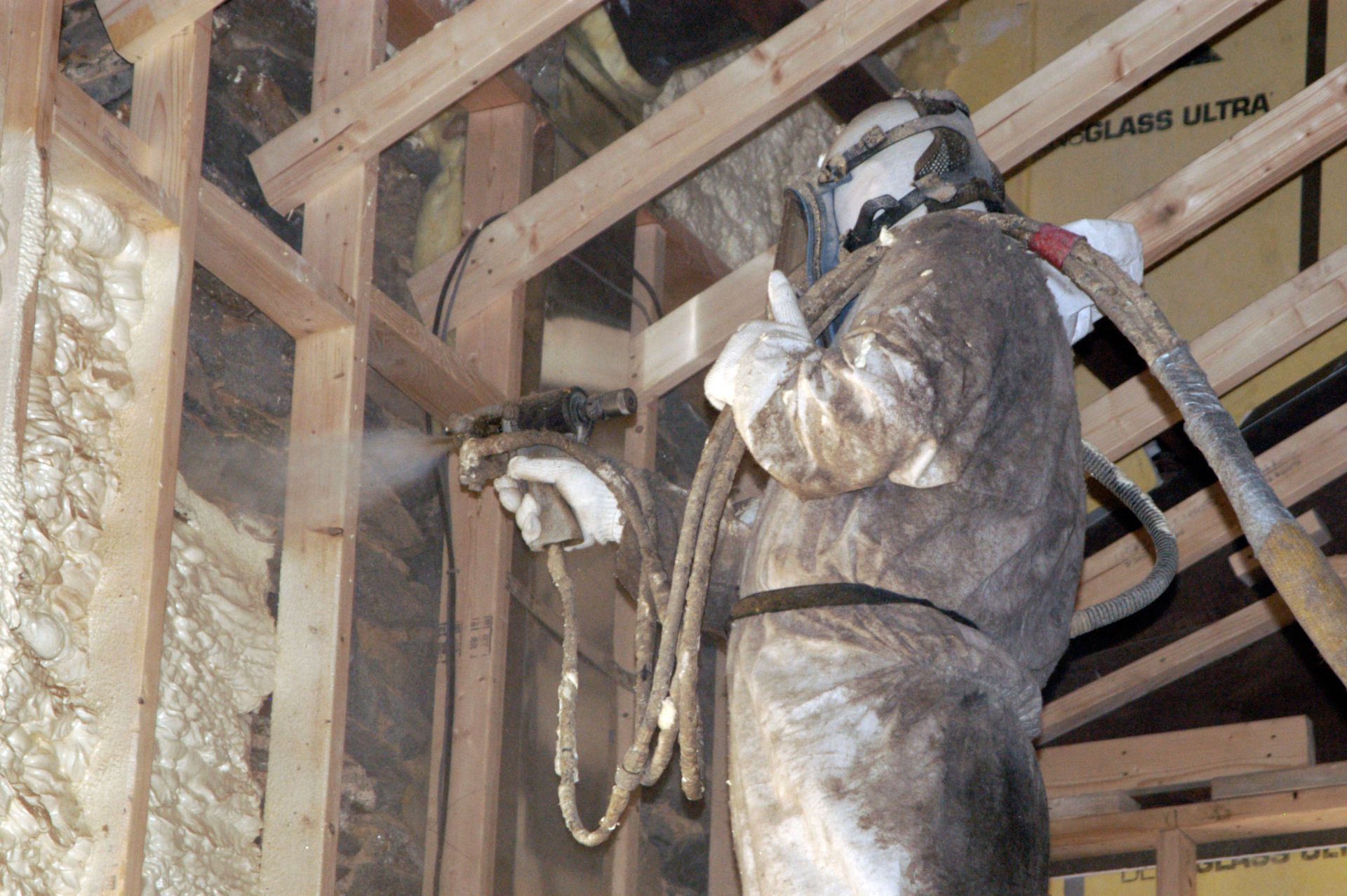
The installation of spray foam insulation is a specialized process requiring professional equipment and skilled technicians. It involves mixing the primary components on-site before spraying the desired surfaces using a high-pressure hose. This method allows for rapid application and quick curing, reducing installation time dramatically compared to other insulation types. The foam's expansive properties ensure that it conforms to the surface contours, eliminating voids and creating a monolithic barrier. For best performance, it is crucial that safety protocols are followed to manage the chemicals involved.
Installation Techniques for Traditional Insulation
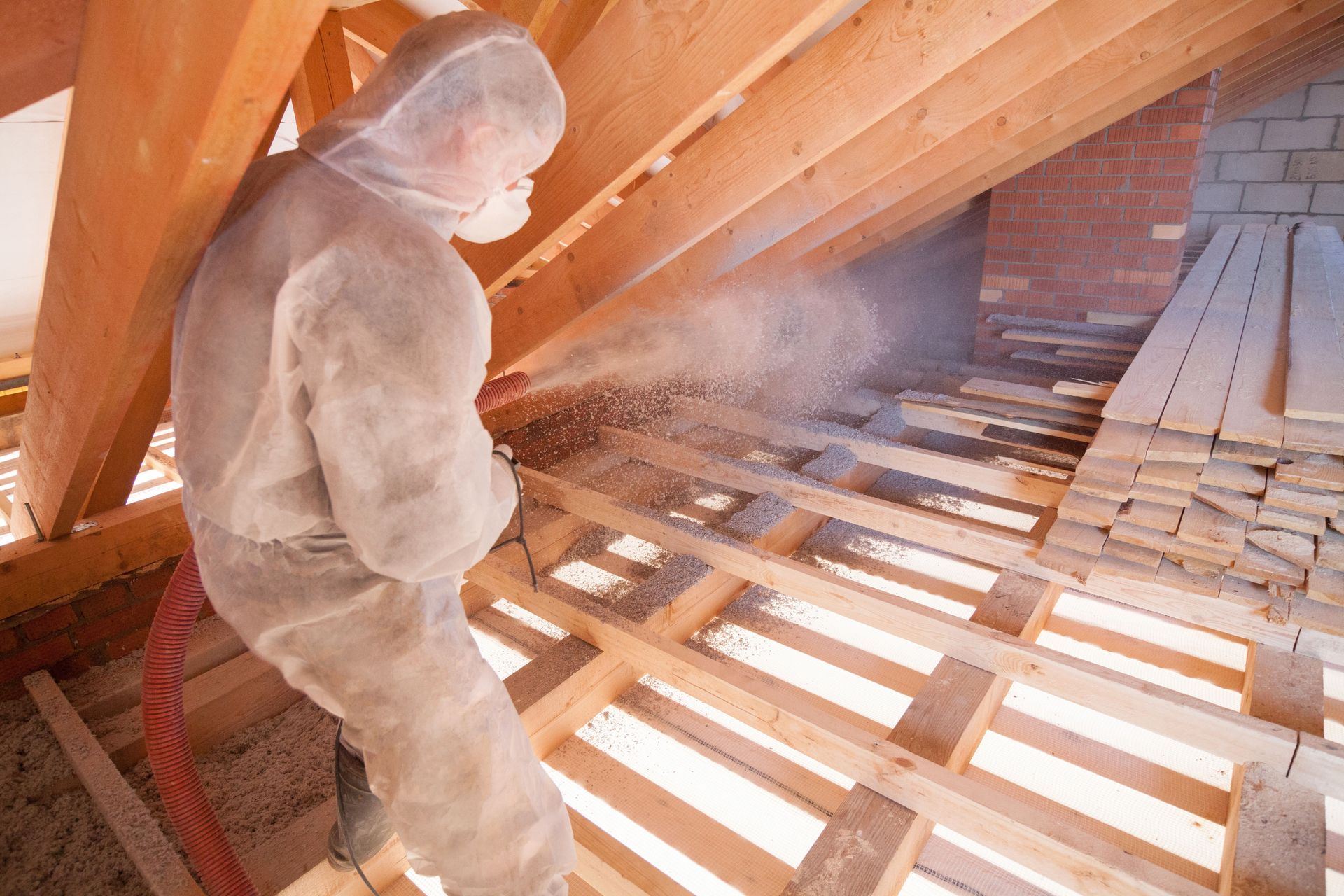
Traditional insulation installation varies widely depending on the material used. For instance, fiberglass is usually installed by rolling or blowing it into place, which can be a labor-intensive process. Cellulose, often applied using a blower machine, settles into spaces tightly but requires precision to avoid settling issues over time. Foam board installation is manual and involves cutting the boards to fit the spaces, making it a meticulous task. While traditional methods are tried and tested, they often require more time and effort to achieve the desired insulation levels compared to spray foam.
Thermal Performance and R-Values
Understanding R-Values: A Brief Overview
R-value measures an insulation material's resistance to heat flow, with higher values indicating better insulating performance. It is a critical factor in assessing how well a material can keep heat from escaping or entering a structure. Different materials offer different R-values, and the required R-value depends on the climate and purpose of the building space. Energy codes often dictate minimum R-values for walls, roofs, and floors to enhance energy efficiency. Therefore, understanding R-values helps in determining the amount and type of insulation needed for optimal performance.
Spray Foam's Thermal Efficiency
Spray foam insulation is known for its excellent thermal performance, offering high R-values between R-5 and R-8 per inch, according to Today's Homeowner. This efficiency is due to its ability to expand and fill in gaps, creating a continuous barrier against heat loss or gain. Its superior sealing capabilities enhance its thermal efficiency, making it suitable for a variety of climatic conditions. The R-value of spray foam remains relatively constant over time, unlike other insulation types, which might degrade. This consistency contributes to long-lasting energy savings and comfort.
Traditional Insulation R-Values
Traditional insulation materials, like fiberglass and cellulose, also offer varying R-values, typically ranging from R-2.2 to R-3.8 per inch. The effectiveness of traditional insulation largely depends on the density and thickness applied, as well as proper installation techniques. While fiberglass and cellulose offer reliable insulation at a lower cost, they are generally less efficient than spray foam in preventing air leaks. Foam board can achieve higher R-values akin to spray foam but lacks the same air-sealing capabilities. Despite the lower R-values, traditional insulation remains a viable option for many due to its affordability and familiarity.
Impact of R-Values on Energy Efficiency
The energy efficiency of a building is significantly impacted by the R-values of its insulation materials. Higher R-values contribute to reduced heat transfer, which in turn lowers heating and cooling costs, a critical aspect of sustainable building practices. Insulation with excellent R-values, such as spray foam, can dramatically improve energy conservation by maintaining consistent indoor temperatures. Areas with extreme weather benefit the most from high R-value insulation solutions. Therefore, choosing insulation materials with appropriate R-values can be a cost-effective measure to enhance energy efficiency and lower utility bills.
Cost Analysis and Affordability
Initial Costs of Spray Foam Installation
Spray foam insulation tends to carry higher initial costs compared to traditional options. This is due in part to the specialized application process and the chemicals involved in its composition. The equipment and expertise required for installation also contribute to its upfront expense. However, spray foam offers a higher long-term value proposition with its superior insulation properties, which can translate to significant energy savings over time. It is important to weigh these initial costs against the potential reductions in utility bills when considering the overall affordability.
Cost Comparison With Traditional Insulation
Traditional insulation methods, such as fiberglass and cellulose, are often more financially accessible than spray foam. Their lower upfront costs make them appealing, especially for those working within tight budgets. However, they generally provide less thermal efficiency, which could lead to increased energy costs over time. Although initial savings are realized, the long-term cost analysis might reveal a different financial picture. Homeowners must consider whether the immediate affordability of traditional materials will counterbalance the potential long-term savings offered by alternatives like spray foam.
Long-Term Financial Benefits of Spray Foam
Despite higher initial costs, spray foam insulation can offer substantial long-term financial benefits. Its superior insulating properties can lower heating and cooling expenses significantly and consistently, year after year. The ability of spray foam to prevent air leaks also contributes to more stable indoor temperatures, enhancing comfort without additional energy consumption. Moreover, its durability means a reduced likelihood of needing repairs or replacement over time. Ultimately, the initial investment in spray foam can be offset by these ongoing savings, making it a financially sound choice for those looking for long-term benefits.
Budget Considerations for Traditional Options
The affordability of traditional insulation makes it an attractive option for immediate budget constraints. For many, the lower upfront cost of materials like fiberglass or cellulose is a decisive factor. However, buyers should be cognizant of potential future expenses related to energy inefficiency, maintenance, or replacement needs. It is also worth considering the environment it will be used in, as some climates may necessitate more frequent updates to maintain effectiveness. Careful budgeting should weigh potential future costs against the initial savings to ensure a financially wise decision.
Spray foam insulation, while more costly initially, offers superior thermal efficiency and prolonged durability, making it ideal for those looking for long-term performance and energy savings. Traditional insulation, conversely, provides a cost-effective and familiar option that excels in diverse situations, particularly where budget constraints are in play. The choice ultimately depends on the specific application's thermal needs and budget considerations. To learn more, reach out to the experts at Greener World Solutions LLC today!
Share On: