
How to Choose a Reliable Local Insulation Contractor
Choosing the right insulation contractor is essential to ensuring your home is energy-efficient and comfortable. The process requires attention to detail and a clear understanding of the factors influencing contractor selection. This guide will explore key considerations in hiring a local contractor, empowering you to make informed decisions with confidence. By delving into research, evaluating credentials, and understanding pricing, you can ensure the success of your insulation project.
Researching Local Contractors
Online Reviews and Ratings
One of the initial steps in finding a reliable local insulation contractor is evaluating online reviews and ratings. These platforms allow homeowners to assess the experiences others have had with various contractors. Reading reviews can reveal trends in reliability, quality of work, and customer satisfaction. Always consider the overall rating alongside individual reviews to get a balanced perspective.
While positive reviews highlight a contractor's strengths, negative reviews can be equally informative. They provide insights into potential red flags and areas where a contractor might fall short. Look for recurring themes, such as delays or communication issues, which could affect your project. On the flip side, consistent praise for professionalism and timely completion is a good indicator. Compile a list of contractors with a solid reputation based on this research.
Seeking Recommendations from Friends and Neighbors
Another valuable resource in your search is personal recommendations. Friends, family, and neighbors can offer firsthand insights based on their own experiences. Their accounts are often more detailed and candid than those found online. When someone you know endorses a contractor, it carries a certain weight and credibility. Moreover, discussing their experiences can open up a dialogue about what to expect and what to watch out for.
Asking for recommendations can also generate additional questions to consider asking prospective contractors. Based on the experiences of those you know, you might learn about potential pitfalls or unexpected benefits. Engaging in these conversations helps build a comprehensive picture of what working with a contractor entails. It's also an opportunity to learn about different insulation types and installation challenges from experienced homeowners.
Checking Professional Associations
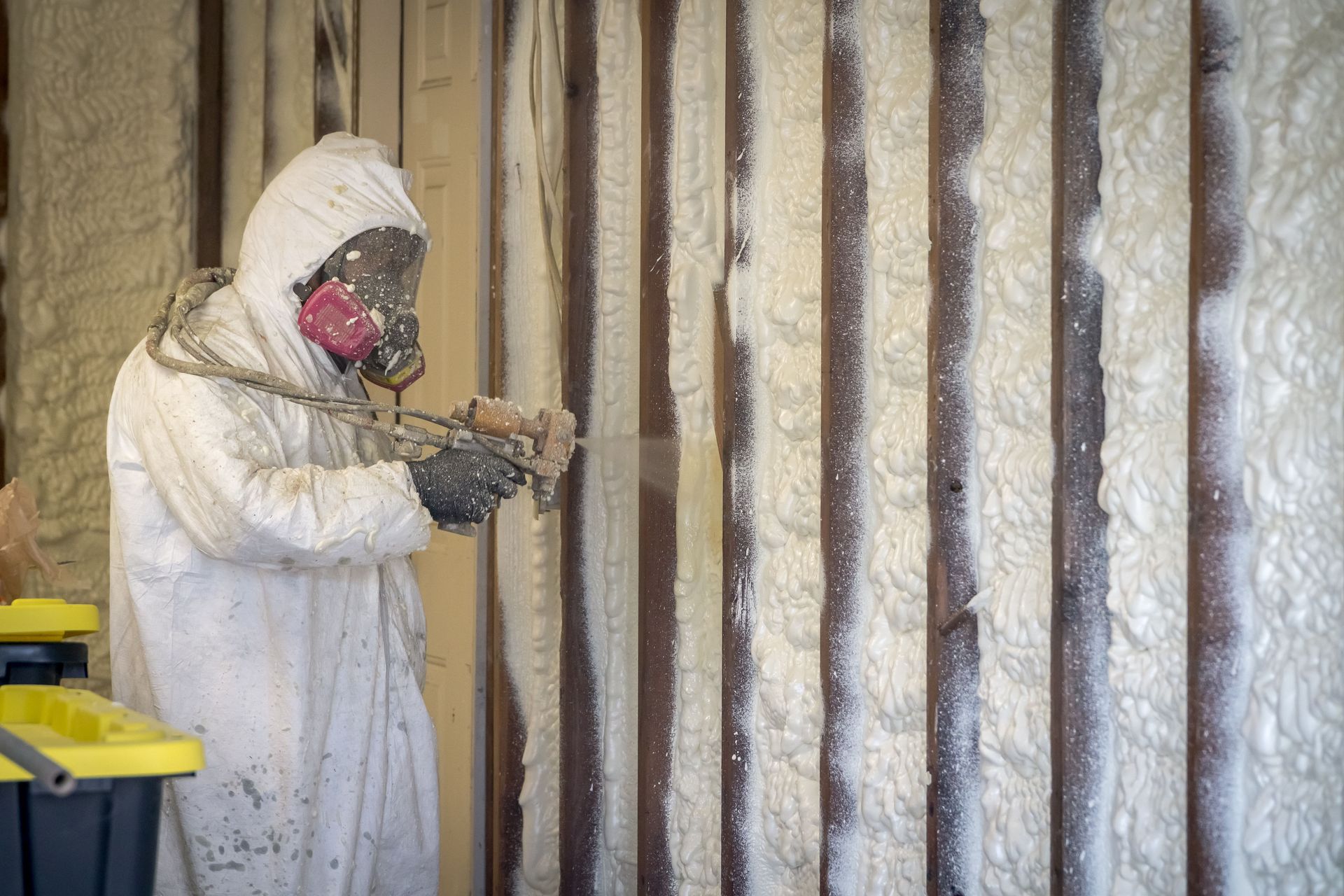
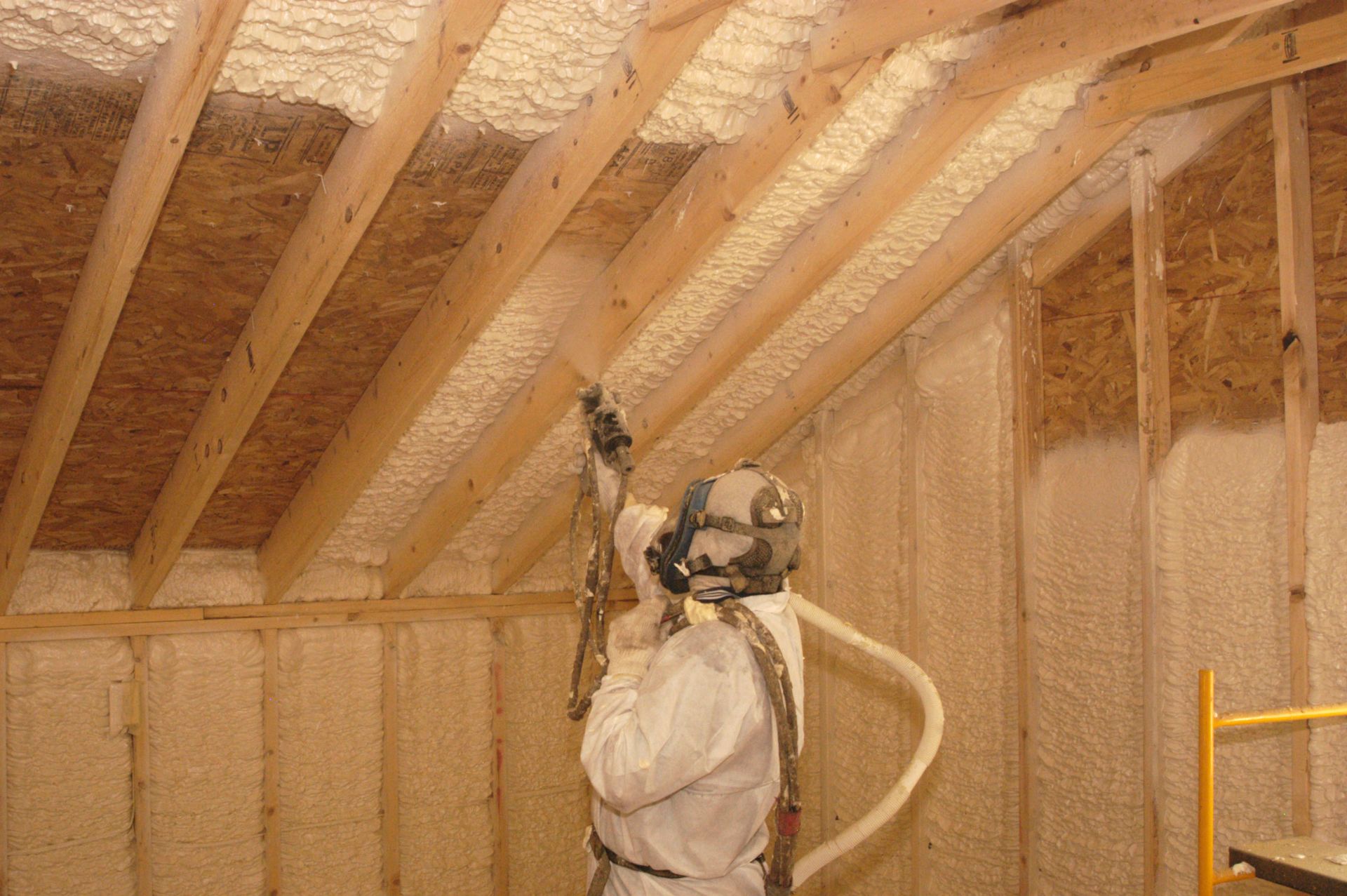
Affiliations with professional associations are another hallmark of a reputable local insulation contractor. Organizations such as the Better Business Bureau (BBB) and the Spray Polyurethane Foam Alliance (SPFA) uphold industry standards. Membership in these associations indicates a commitment to adherence to best practices. Contractors affiliated with such bodies are likely to stay updated on the latest installation techniques and materials.
Such affiliations also provide contractors with access to training, certification programs, and peer networking opportunities. These resources enhance a contractor's skills and knowledge base, ultimately benefiting homeowners. The most reliable contractors invest in their professional development, ensuring they offer their clients cutting-edge solutions. If a contractor proudly displays their association membership, it suggests a robust professional standing. Homeowners should appreciate these affiliations as they reflect a commitment to maintaining high service standards.
Evaluating Experience and Credentials
Years of Experience in the Industry
The number of years a contractor has been in business often correlates with reliability and expertise. An established contractor typically has a proven track record and can effectively handle unexpected challenges. Experience signifies not only technical acumen but also an understanding of customer service nuances. Homeowners benefit from relying on seasoned professionals who know how to navigate complex insulation projects. When evaluating experience, inquire about the variety and scale of projects completed.
A contractor's longevity in the industry also often reflects their adaptability and evolution with changing standards. The insulation industry continuously introduces new materials and techniques, and experienced contractors keep pace with these advancements. Clients benefit from this up-to-date expertise and the ability to employ the best solutions available. In contrast, contractors with minimal experience might lack the practical knowledge required for comprehensive project completion.
Licensing and Insurance
Proper licensing and insurance are non-negotiable aspects of choosing a local insulation contractor. Licensing ensures that the contractor meets local regulations and industry standards. It serves as evidence of their competence and professionalism, reinforcing rapport in their service. Additionally, insurance provides a layer of protection for homeowners against any potential damage or accidents during the project. Engaging a contractor without these credentials exposes homeowners to legal and financial risks.
When verifying licensing, ensure the contractor holds up-to-date certifications relevant to insulation installation. Check with local regulatory bodies if needed to confirm authenticity. Insurance, on the other hand, should include both general liability and workers' compensation coverage. This comprehensive coverage ensures that the contractor is financially responsible for any on-site mishaps or injuries.
Continuing Education and Training
Commitment to continuing education and training reflects a contractor's dedication to improvement and quality. The insulation industry evolves with technological advancements and regulatory changes. A contractor actively engaging in ongoing education stays ahead of those not pursuing continual learning. Their up-to-date knowledge serves homeowners well, ensuring projects embody the latest best practices.
Training programs often focus on specialized insulation techniques, safety protocols, and emerging materials. Certified programs enhance a contractor's expertise, ensuring precision and efficiency in service delivery. Clients can inquire about ongoing training initiatives to gauge a company's commitment to excellence. Local insulation contractors boasting updated certifications often distinguish themselves in competitive markets, appealing to discerning homeowners.
Understanding Pricing and Quotations
Requesting Detailed Estimates
Proper insulation can make a significant difference in energy expenses. According to the U.S. Department of Energy, homeowners who insulate their homes effectively can reduce heating and cooling costs by up to 15%, which amounts to roughly 11% of total energy expenses. These potential savings underscore the importance of hiring a skilled contractor to ensure the insulation is installed correctly.
Acquiring detailed estimates is integral to understanding and comparing contractor pricing. A comprehensive estimate should itemize all costs associated with the insulation project. This transparency allows you to scrutinize each cost component, identifying areas for potential savings or adjustments. It also fosters informed decision-making by clarifying the financial scope of the project. Engaging multiple local insulation contractors for estimates provides a comparison framework, facilitating strategic negotiations.
Transparency of Costs
Cost transparency is essential in selecting a local insulation contractor, as it reflects honesty and intention. Contractors who are forthcoming about all potential expenses build rapport. Ensuring costs are transparent minimizes the risk of unexpected charges mid-project. Contractual transparency aligns client expectations with actual outcomes, fostering positive experiences. This process requires clear communication from both parties to ensure a seamless transaction.
Throughout discussions, ask contractors to break down costs, elaborating on their impact on project goals. This clarity allows for informed comparisons and assessments of value offerings. A transparent contractor willingly discloses terms and clarifies any ambiguities in cost allocation. Such engagement leads to a mutual understanding of financial commitments, promoting accountability.
Comparing Bids
Bid comparison plays a significant role in identifying the contractor best suited to your needs. Beyond comparing base pricing, analyze service quality, product types, and timelines within each bid. This comprehensive assessment evaluates contractors not solely based on cost-effectiveness, ensuring higher quality outcomes. Diverse bids provide insights into industry benchmarks and highlight variations stemming from unique contractor approaches.
When analyzing bids, focus on value rather than price alone as the determinant of selection. Consider factors such as timelines, service warranties, and extra offerings contributing to your project goals. Aim to find a balance between affordability and excellence, leveraging varied proposals to your advantage. Realistic expectations regarding service delivery emerge from understanding how bids align with your project priorities. Concurrently, scrutinize each proposal for hidden costs or ambiguities, fostering transparency and informed decision-making.
Choosing the right local insulation contractor is essential for a comfortable, energy-efficient home. Researching contractors, checking credentials, and seeking recommendations help identify reliable professionals. Evaluating experience, licensing, and training ensures quality work, while understanding pricing and comparing bids sets clear expectations. Considering these factors allows homeowners to make informed decisions and achieve lasting results. Partner with Greener World Solutions LLC to work with expert insulation contractors that meet your needs. Contact us today!
Share On: