
Trends in Insulation Services in the United States
Energy efficiency, indoor comfort, and building performance have become major priorities for homeowners and property managers across the United States. As energy costs rise and environmental awareness grows, more people are paying attention to the role insulation plays in maintaining comfortable indoor environments. Proper insulation helps regulate indoor temperatures, reduce energy consumption, and support the long-term durability of residential and commercial structures.
Insulation is no longer viewed as a basic construction component hidden behind walls and ceilings. Today, it is considered a critical part of a building’s energy strategy. Advances in materials, installation methods, and building science have significantly improved how insulation systems perform. These innovations have led to new trends that influence how homes and commercial buildings are insulated.
Across the country, contractors and property owners are adopting new approaches that focus on sustainability, efficiency, and long-term value. From modern insulation materials to advanced installation techniques, these trends are shaping how buildings are designed and maintained. In this article, we will explore the latest trends in insulation services in the United States and how they are transforming the way buildings are insulated.
Increasing Demand for Energy-Efficient Insulation
One of the most significant trends in the insulation industry is the growing demand for energy-efficient building solutions. As homeowners and businesses seek ways to reduce utility costs, insulation has become a key factor in improving overall building performance.
Energy-efficient insulation helps maintain consistent indoor temperatures by slowing the transfer of heat between the interior and exterior of a building. During hot summers and cold winters, effective insulation allows heating and cooling systems to operate more efficiently.
This increased demand has led to greater interest in professional insulation services that focus on optimizing building performance. Contractors now evaluate insulation systems more carefully, often examining areas such as attics, crawl spaces, and wall cavities to determine where improvements can be made.
Government energy programs and building efficiency standards have also encouraged property owners to invest in better insulation. These programs often provide incentives for upgrades that improve energy efficiency and reduce environmental impact. As a result, insulation is now viewed as an essential investment that supports both financial savings and long-term sustainability.
Growth of Spray Foam Insulation Technology
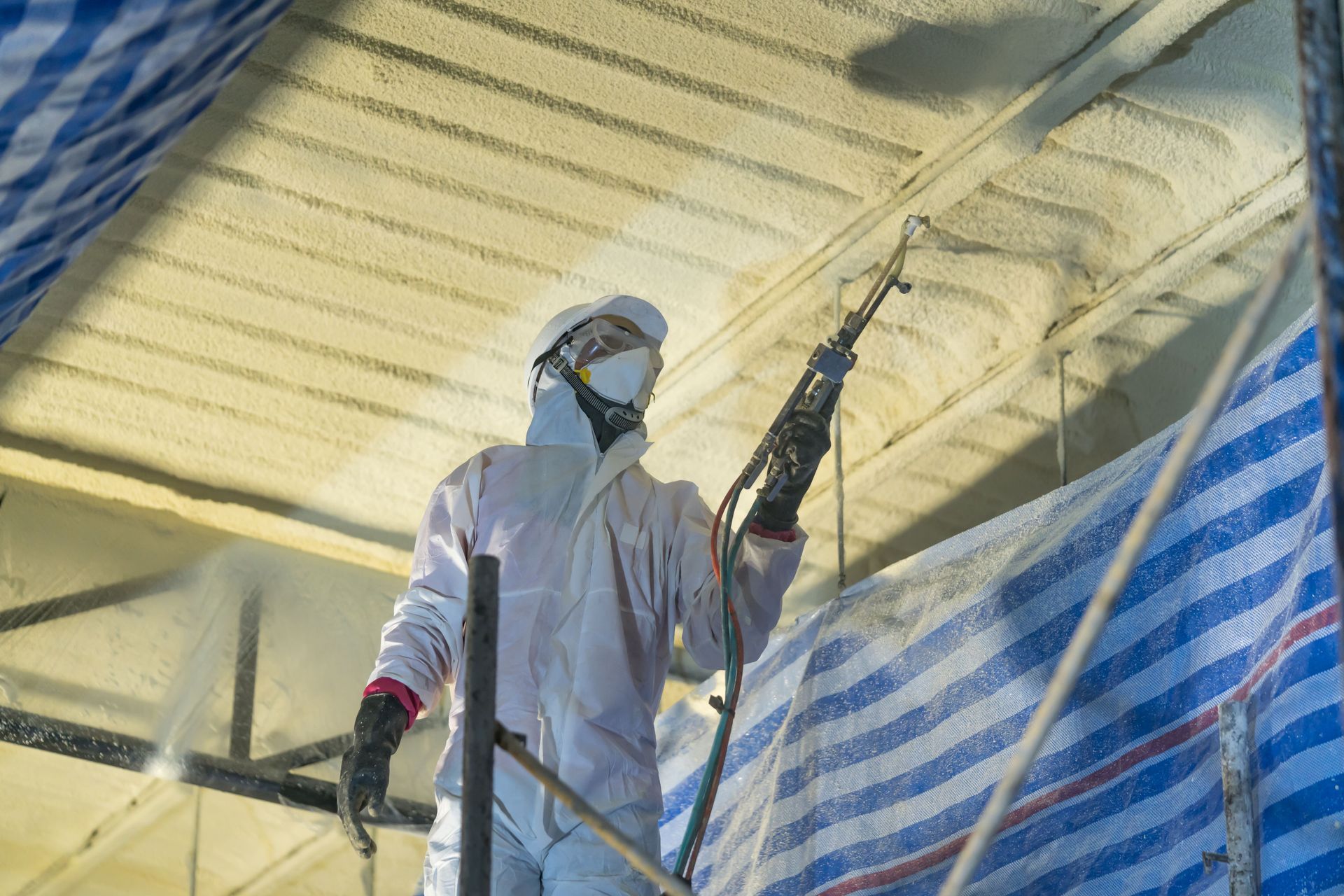
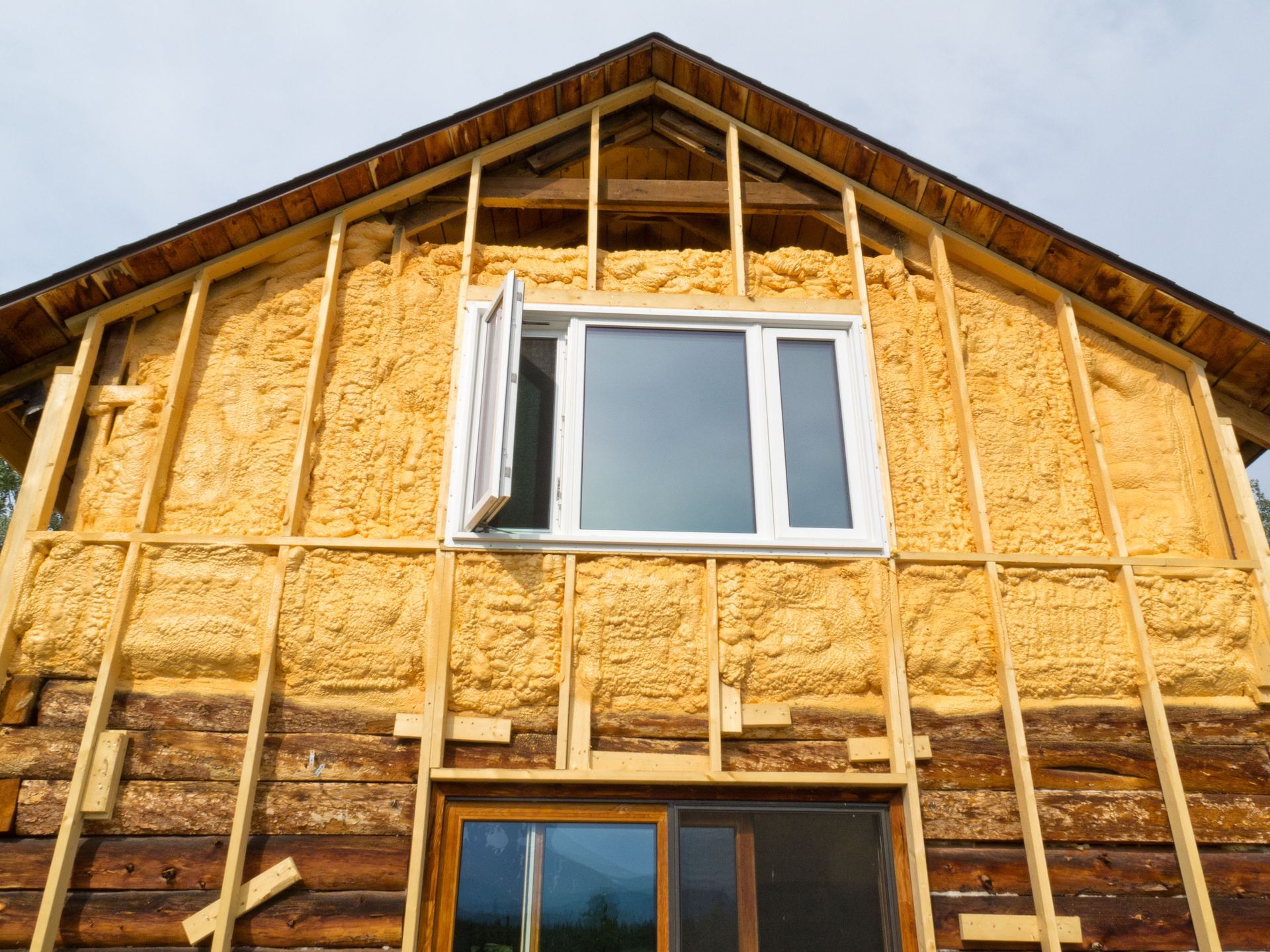
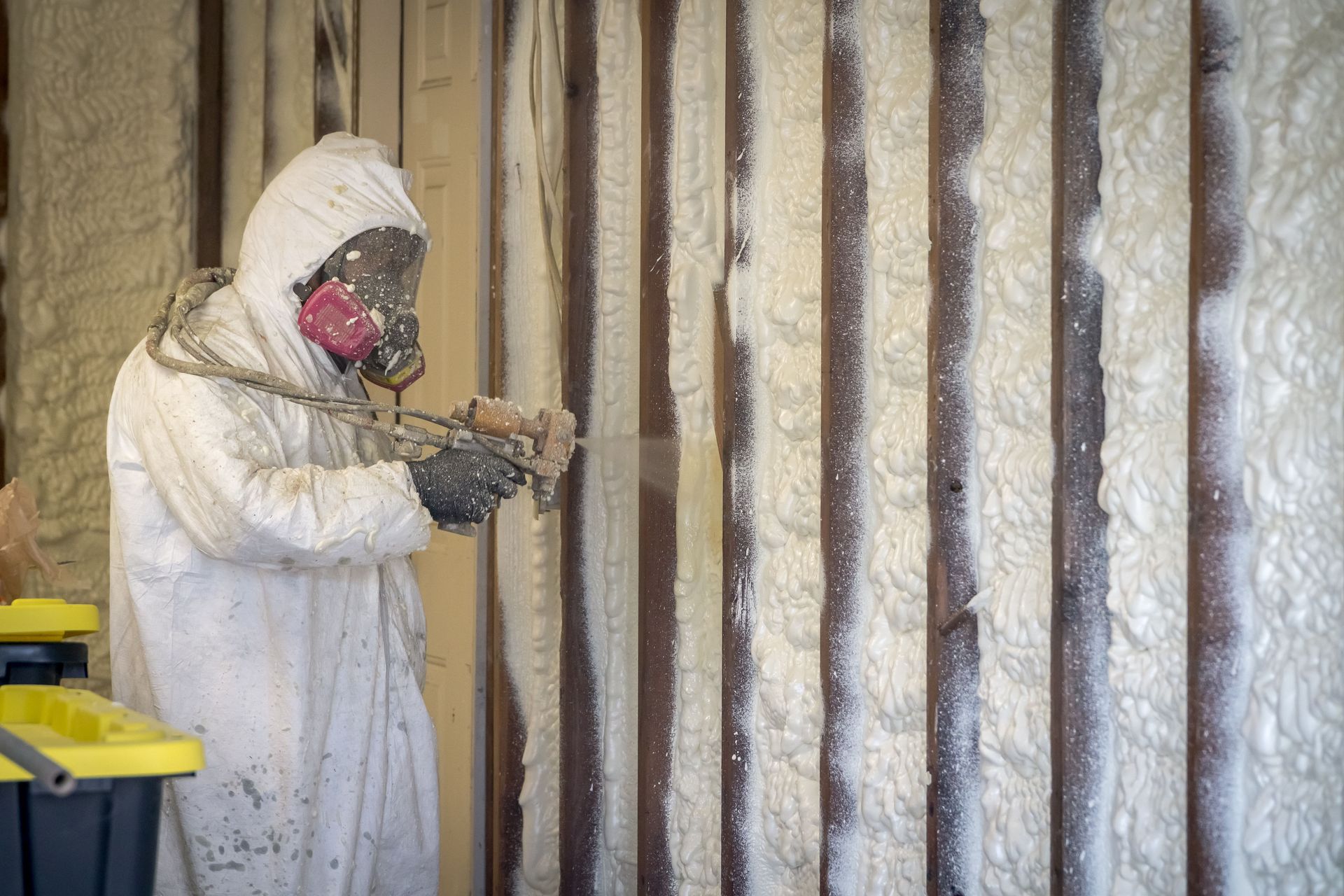
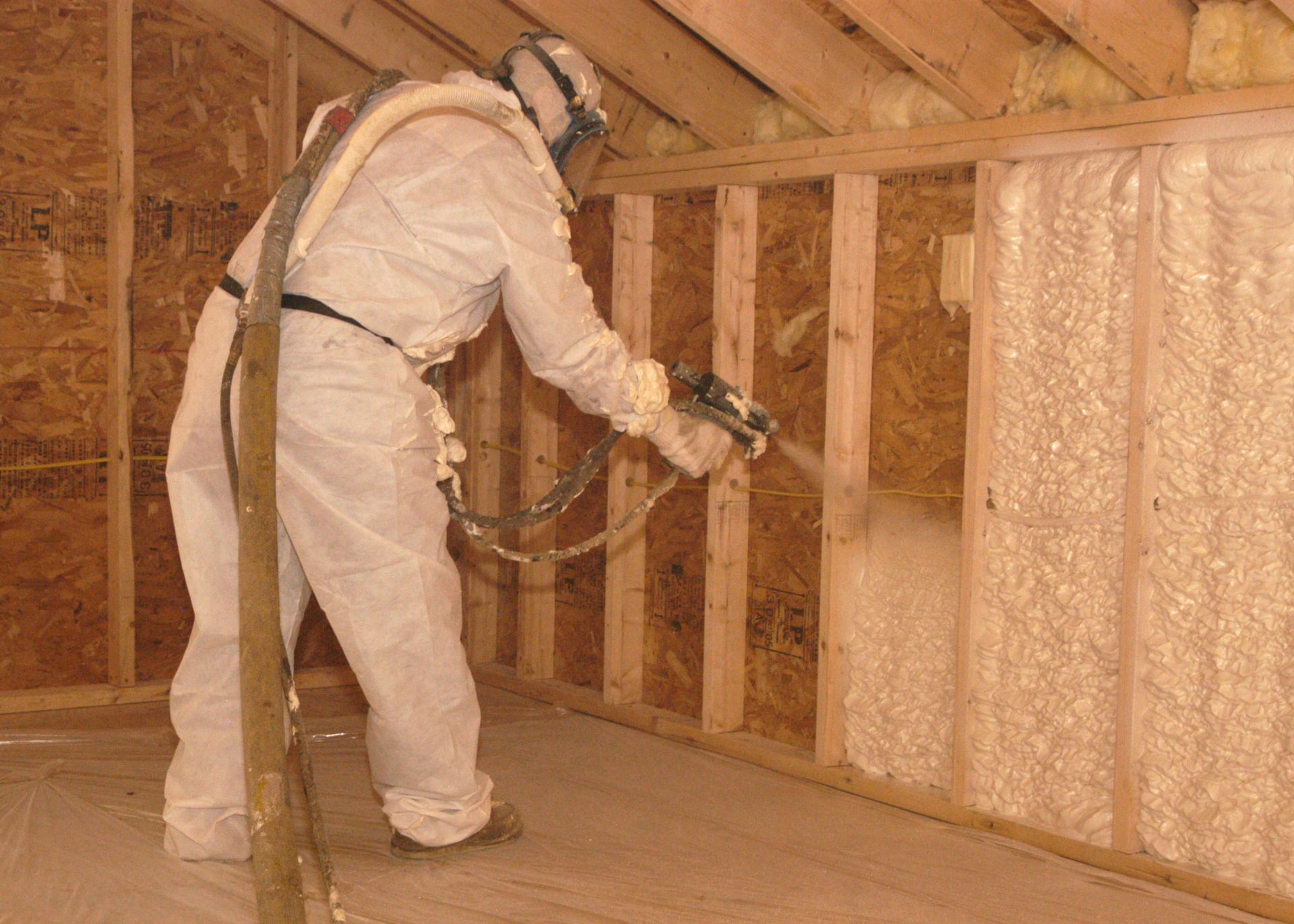
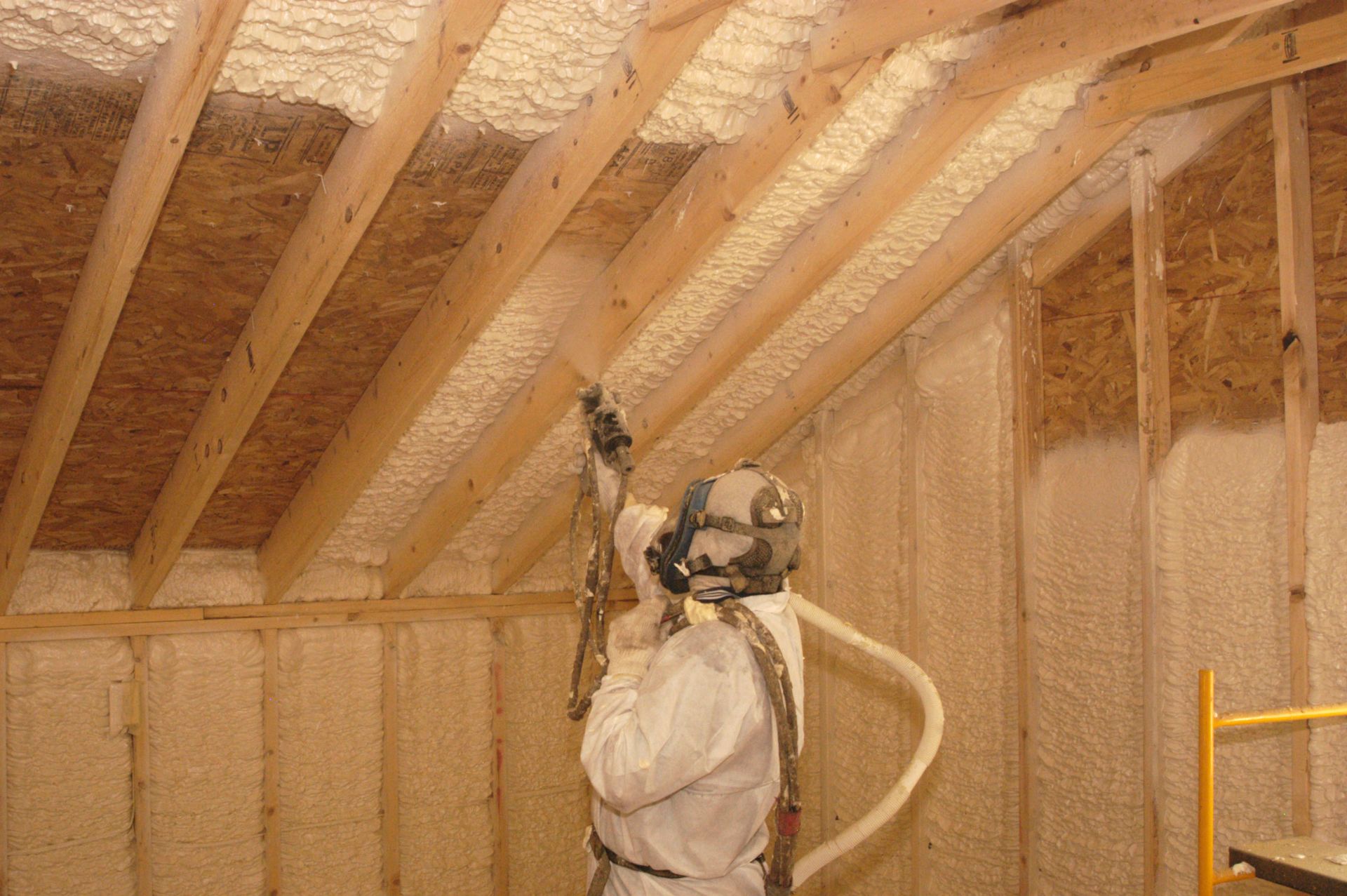
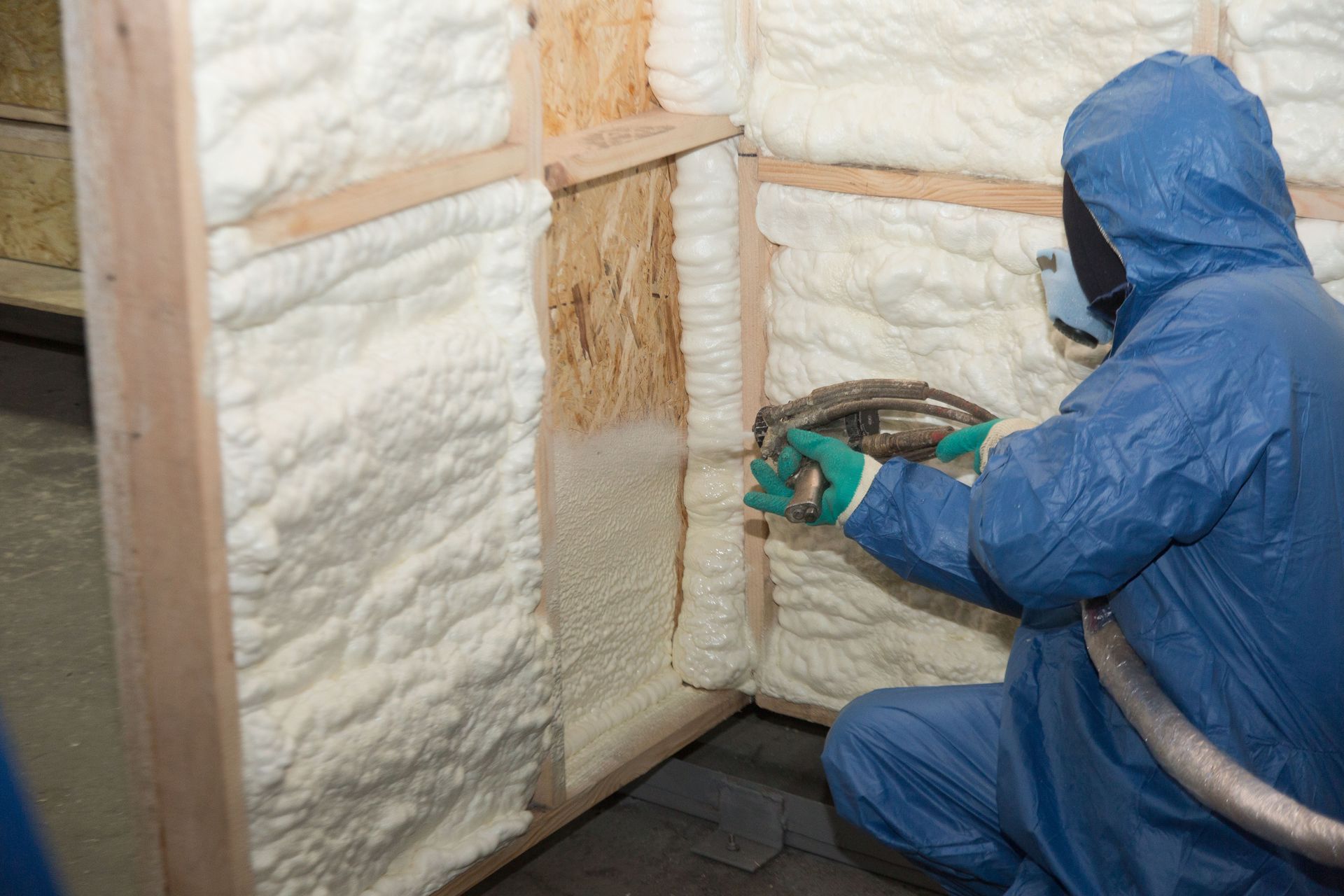
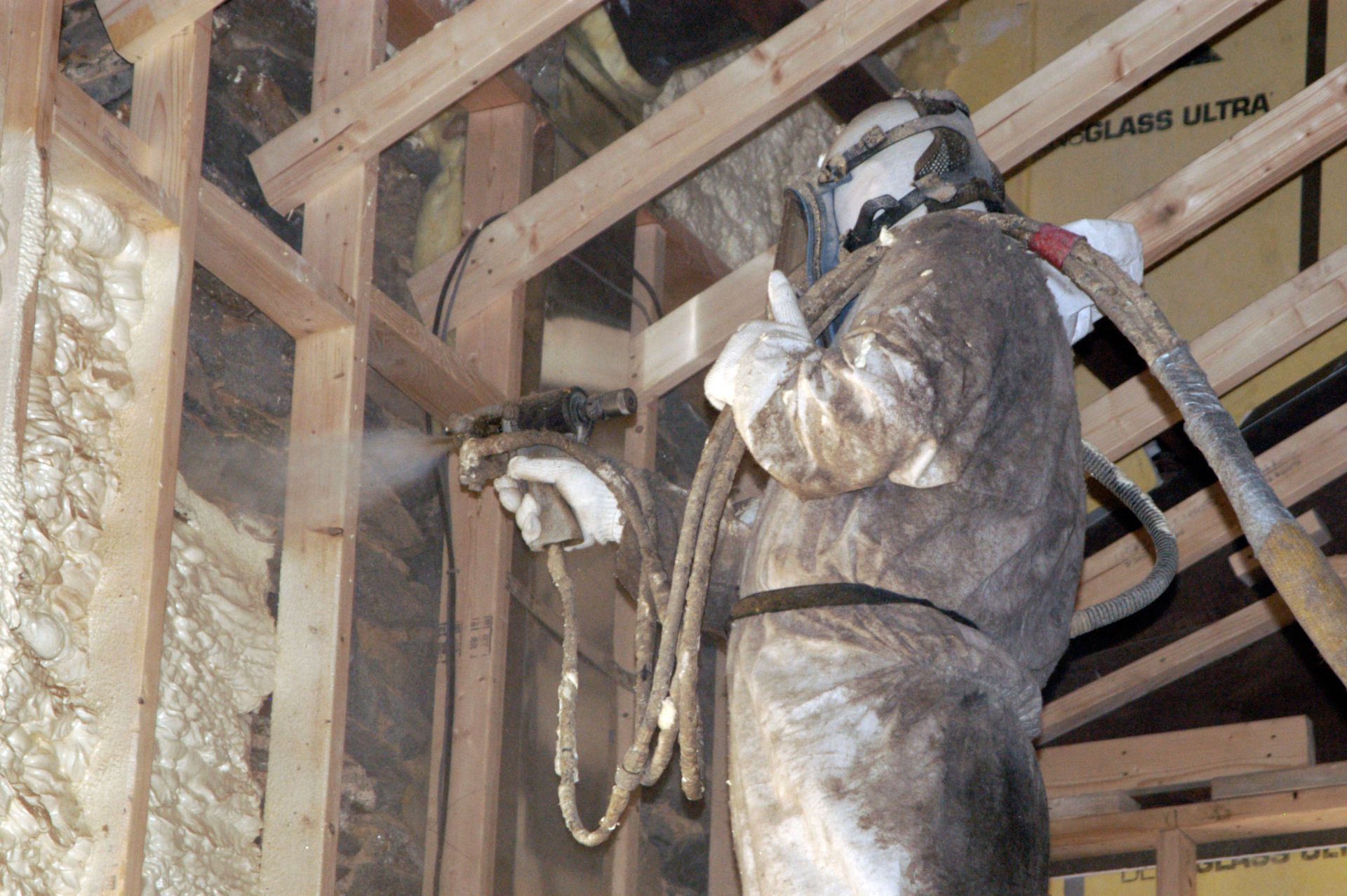
Spray foam insulation has gained significant attention in recent years due to its strong insulating performance and ability to seal air leaks. This material expands after application, filling gaps and creating an airtight barrier that helps prevent heat transfer.
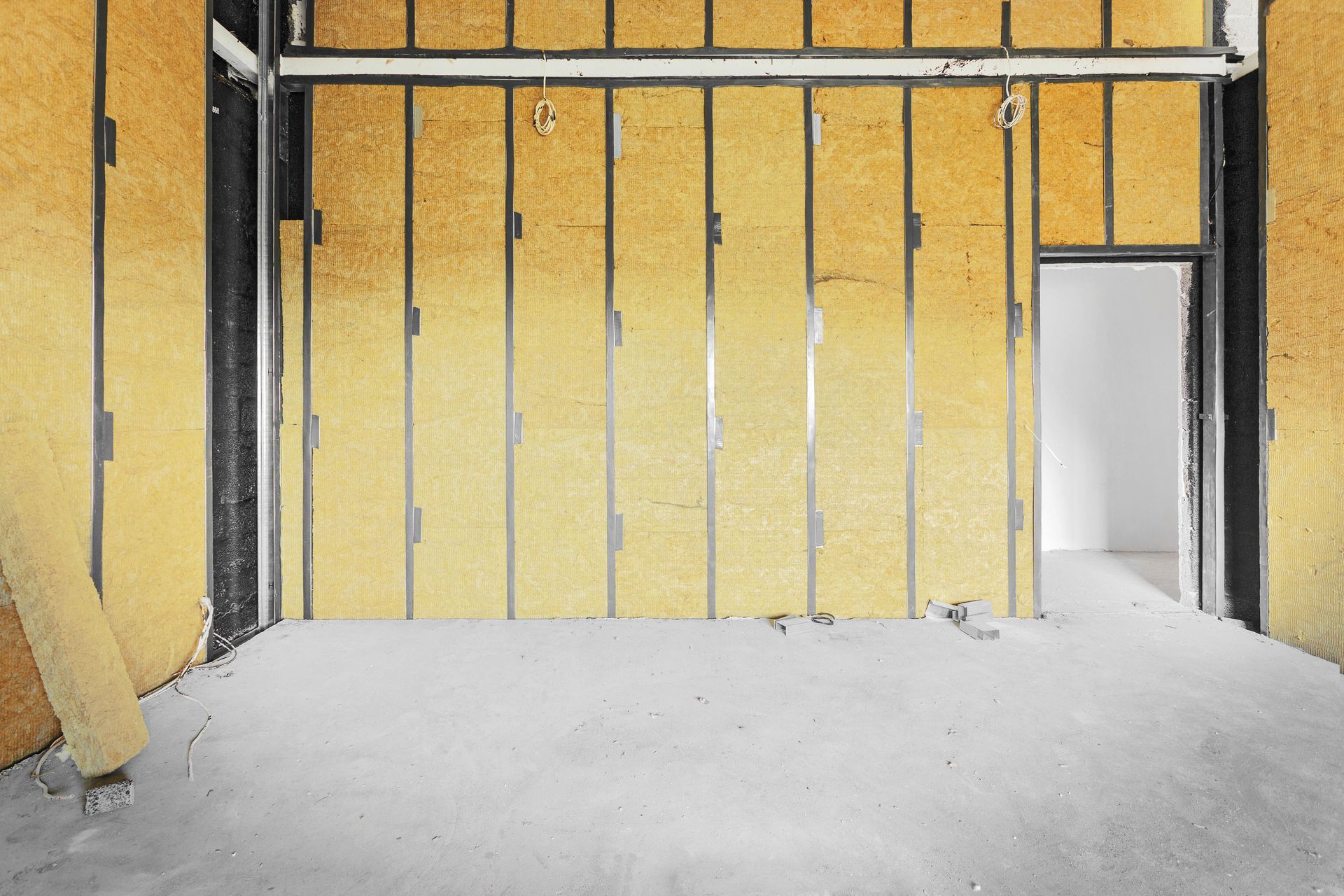
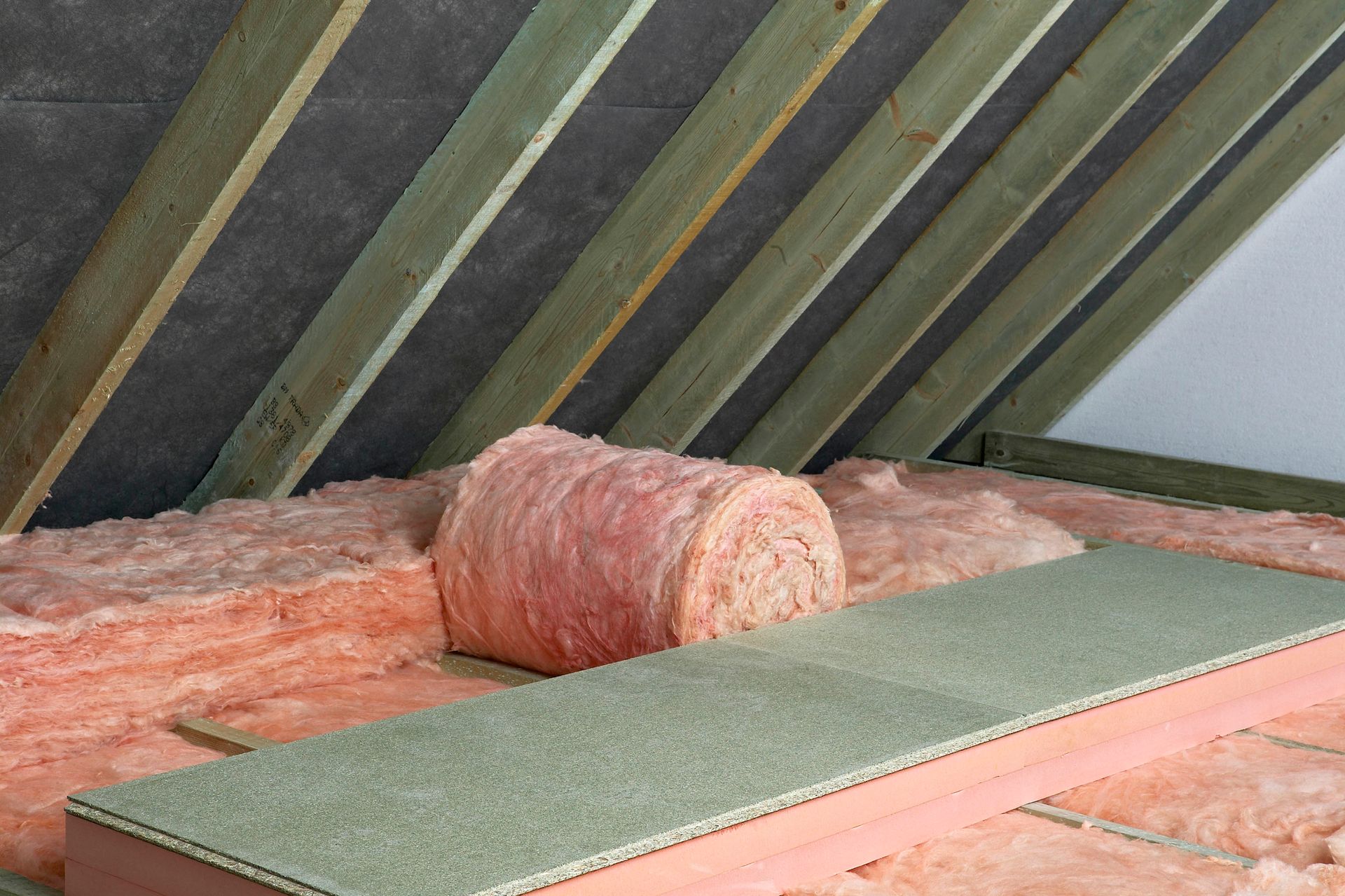
According to PropertyInspect, spray foam provides 50% more insulation than traditionally used products such as mineral wool and fiberglass. This higher insulating value allows buildings to maintain indoor temperatures more effectively while reducing energy loss.
Spray foam also provides additional benefits beyond thermal insulation. Because it expands into small cracks and gaps, it helps reduce drafts and improves indoor comfort. This air-sealing capability makes it particularly effective for areas that are difficult to insulate using traditional materials.
Professional insulation services increasingly recommend spray foam for both residential and commercial projects where maximum efficiency is desired. While it may require a higher initial investment than other materials, many property owners find that the long-term energy savings make it a worthwhile option. The growing popularity of spray foam highlights how insulation technology continues to evolve in response to modern building needs.
Greater Focus on Sustainable Insulation Materials
Sustainability has become an important factor in construction and renovation projects across the United States. Many property owners now seek insulation materials that support environmentally responsible building practices.
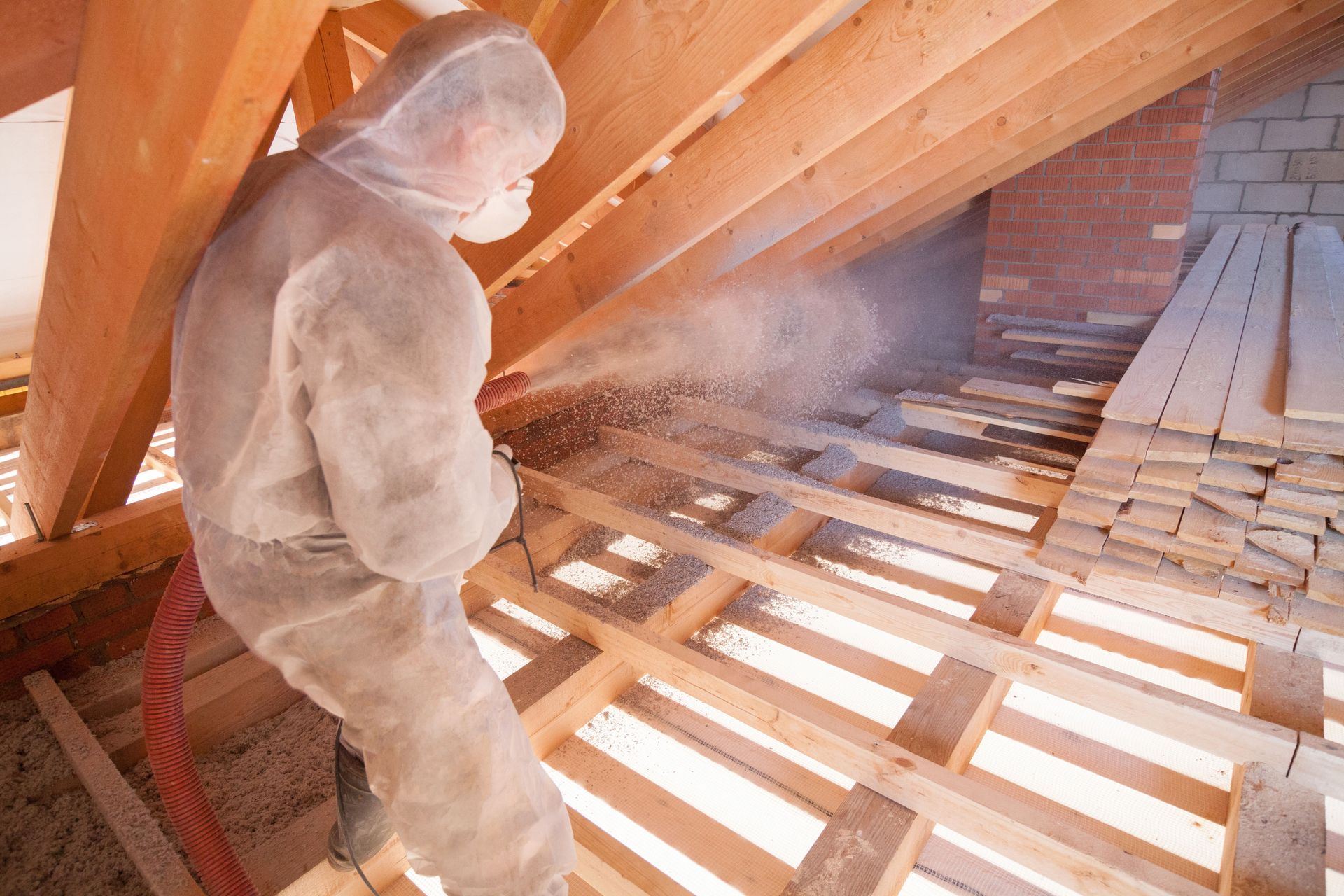
As a result, manufacturers have developed insulation products made from recycled or renewable materials. Options such as cellulose insulation, which is made from recycled paper products, are becoming more widely used in both new construction and retrofitting projects.
These materials offer solid thermal performance while reducing the environmental impact associated with traditional manufacturing processes. In addition, many sustainable insulation products are designed to have lower chemical emissions, which can contribute to improved indoor air quality.
The shift toward sustainable materials has influenced how insulation services approach building upgrades. Contractors increasingly consider environmental factors alongside energy performance when recommending insulation solutions. This trend reflects a broader movement in the construction industry toward greener and more sustainable building practices.
Expansion of Insulation Retrofits In Existing Homes
While insulation is essential in new construction, a growing trend involves improving insulation in older homes. Many houses built decades ago were constructed with insulation standards that are lower than modern building codes.
As a result, homeowners are investing in retrofit insulation projects that upgrade existing systems. These improvements can involve adding insulation to attic spaces, filling wall cavities, or sealing crawl spaces to reduce heat loss.
Retrofit projects are particularly appealing because they offer noticeable improvements in comfort and energy efficiency without requiring major structural renovations.
Professional insulation services often perform energy assessments to identify areas where insulation is insufficient or deteriorating. These evaluations help property owners determine where upgrades will provide the greatest benefit. With millions of older homes across the country, insulation retrofits have become a major area of growth within the industry.
Increased Attention to Air Sealing and Building Envelopes
Modern building science has highlighted the importance of the entire building envelope, which includes walls, roofs, windows, and insulation systems. Proper insulation alone may not achieve optimal energy performance if air leaks are present throughout the structure.
For this reason, contractors increasingly combine insulation installation with air sealing techniques. Air sealing involves identifying and closing gaps where air can enter or escape the building.
Common areas for air leaks include attic penetrations, window frames, and areas around plumbing or electrical openings. Sealing these gaps helps maintain indoor temperature stability and improves overall energy efficiency.
Insulation services often incorporate air sealing as part of comprehensive insulation upgrades. By addressing both insulation and air movement, contractors can significantly improve building performance. This holistic approach to building efficiency reflects a growing understanding of how different structural components work together to regulate indoor environments.
Adoption of Smart Energy Monitoring Technologies
Technology is also influencing trends in insulation and energy efficiency. Many homeowners and businesses now use smart energy monitoring systems to track how buildings consume energy.
These systems provide real-time data about heating and cooling performance, allowing property owners to identify inefficiencies within their homes. In some cases, poor insulation becomes apparent when energy usage remains high despite efficient HVAC equipment.
When monitoring systems reveal energy loss, property owners often seek insulation services to address the underlying issues. Upgrading insulation can significantly improve the effectiveness of heating and cooling systems.
Smart thermostats and energy tracking tools have made it easier for people to understand how insulation affects their energy consumption. This increased awareness has contributed to greater demand for insulation improvements across residential and commercial properties. Technology continues to shape how homeowners approach energy efficiency, and insulation upgrades remain a key part of these efforts.
Insulation plays a critical role in maintaining comfortable indoor environments and improving energy efficiency in buildings across the United States. As technology and building standards evolve, insulation practices continue to adapt to meet the needs of modern homeowners and businesses.
If you are considering improvements to your home or commercial property, working with experienced professionals who provide insulation services can help you identify effective solutions for your building. Reach out to Greener World Solutions LLC today to learn how modern insulation technologies can improve comfort, efficiency, and long-term value for your property.
Share On: