
7 Problems Spray Foam Insulation Helps Prevent Long Term
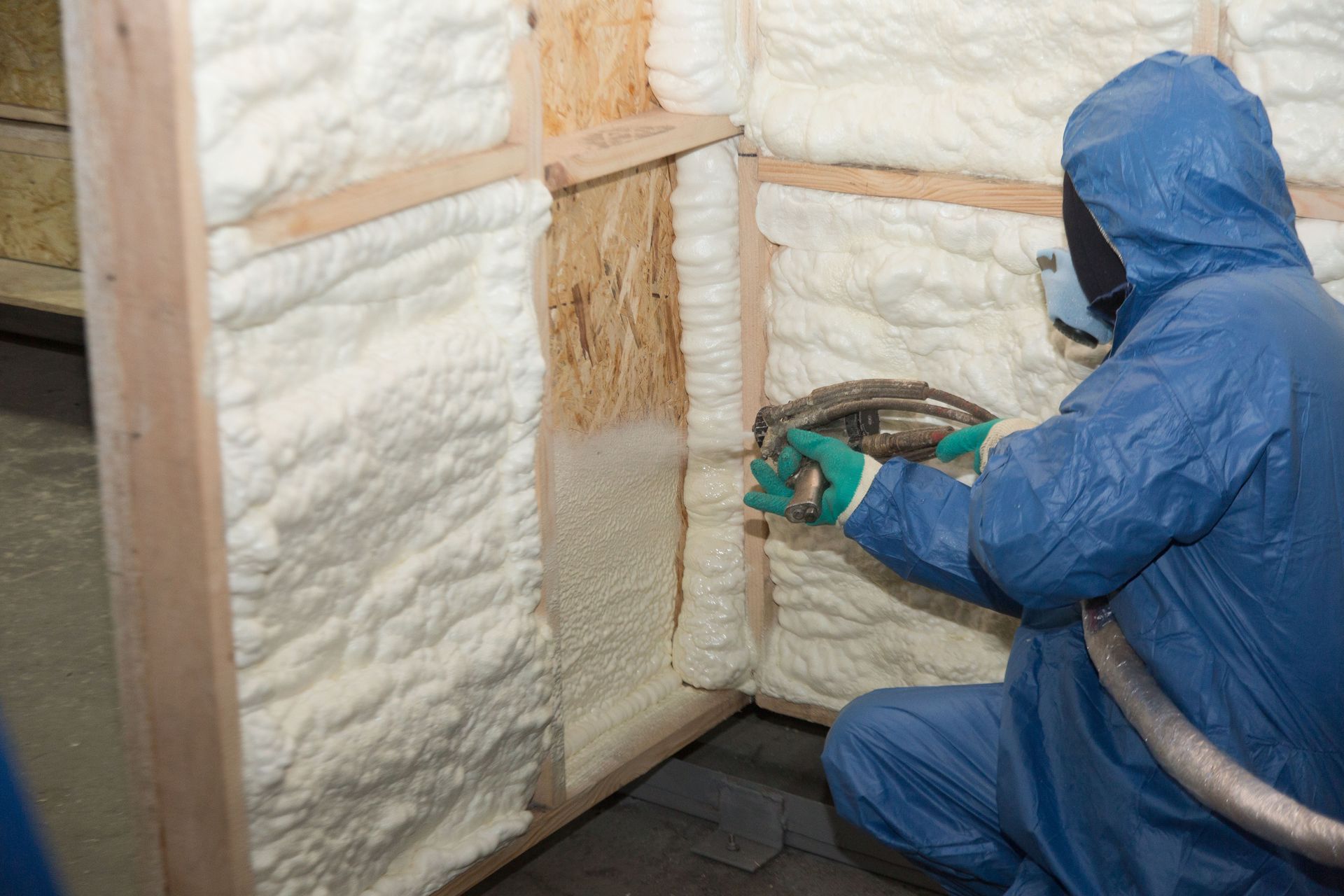
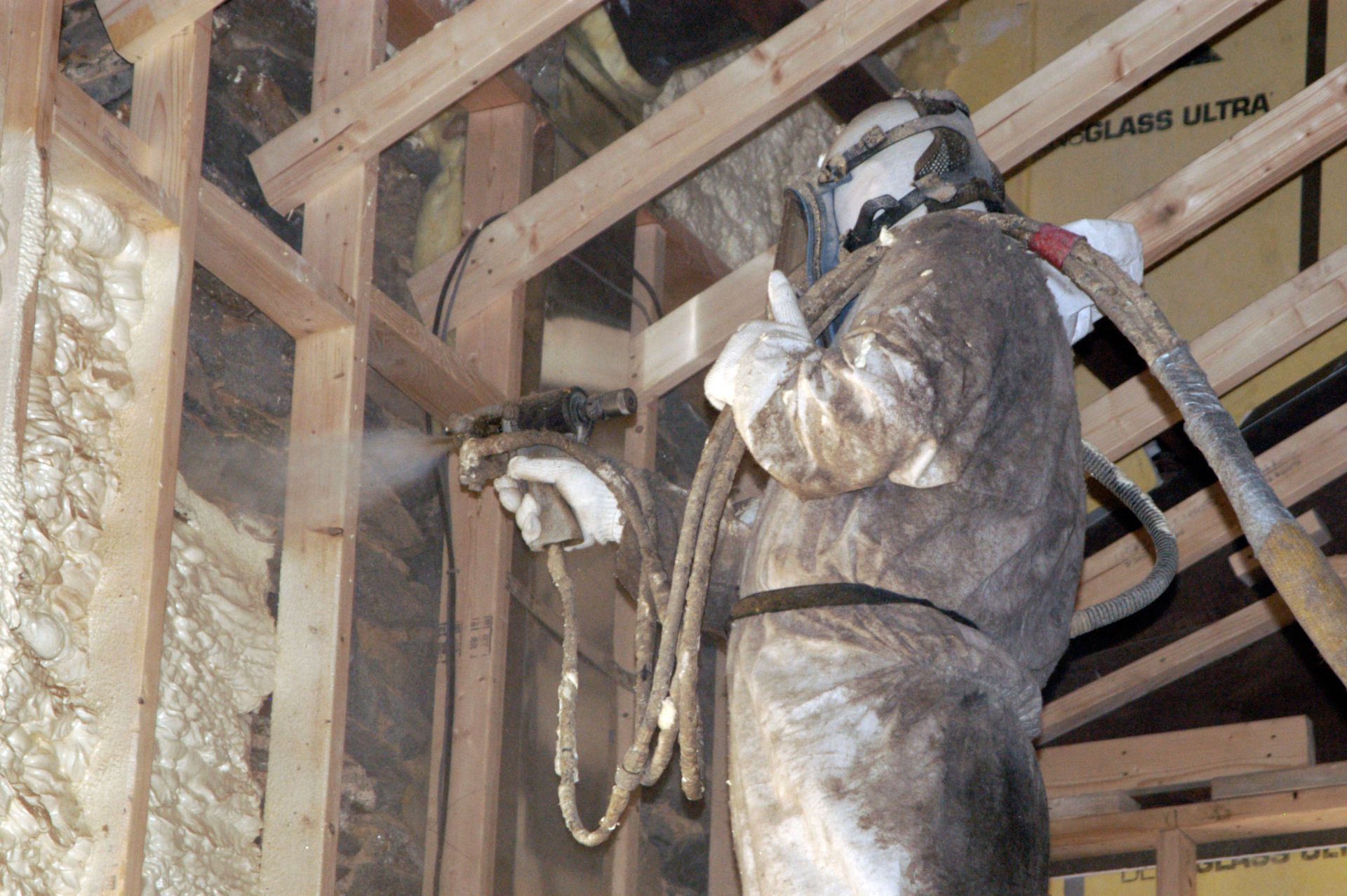
Homeowners often think about insulation mainly as a way to control indoor temperature, but its long-term value reaches much further. Gaps, cracks, and poorly sealed areas can allow air, moisture, dust, and outdoor pollutants to move into a home. Over time, these conditions may lead to higher utility costs, uncomfortable rooms, condensation, pest activity, and damage to building materials. Spray foam insulation expands after application, helping seal difficult spaces and create a more continuous protective barrier. When it is installed correctly, it can support comfort, efficiency, durability, and healthier indoor conditions for many years. Learning which problems it may help prevent can make it easier to evaluate whether this insulation method fits the needs of a new construction, renovation, attic, crawl space, or targeted energy improvement project.
1. Preventing Persistent Air Leaks
Air leaks around attic penetrations, wall cavities, rim joists, crawl spaces, and utility openings can make a home difficult to heat and cool. Even small gaps allow conditioned air to escape while outdoor air enters, forcing heating and cooling equipment to run longer. These leaks may also create noticeable drafts near windows, outlets, ceilings, and floors. Over time, uneven temperatures can make certain rooms feel uncomfortable and reduce confidence in the performance of the home's insulation system.
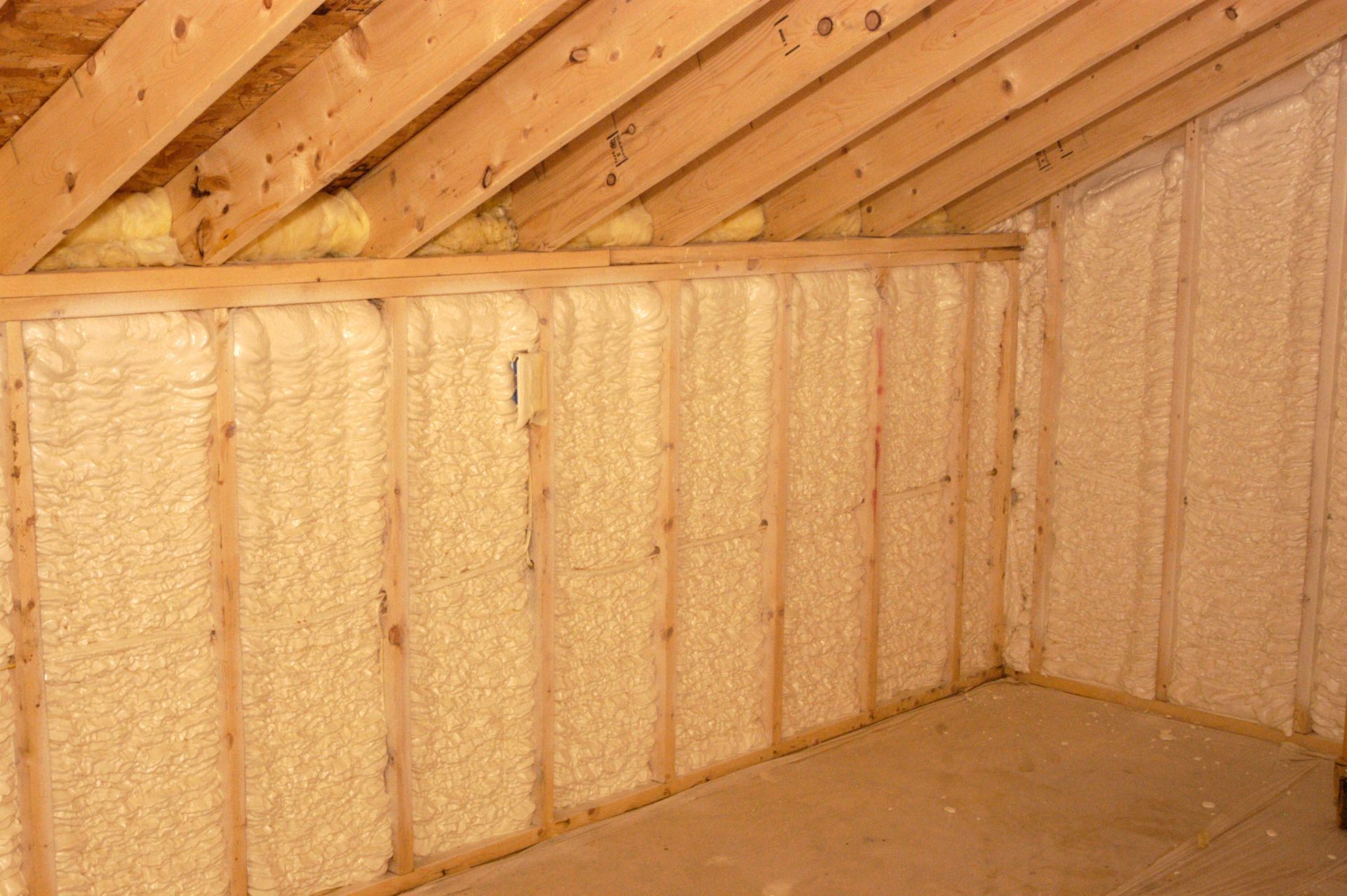
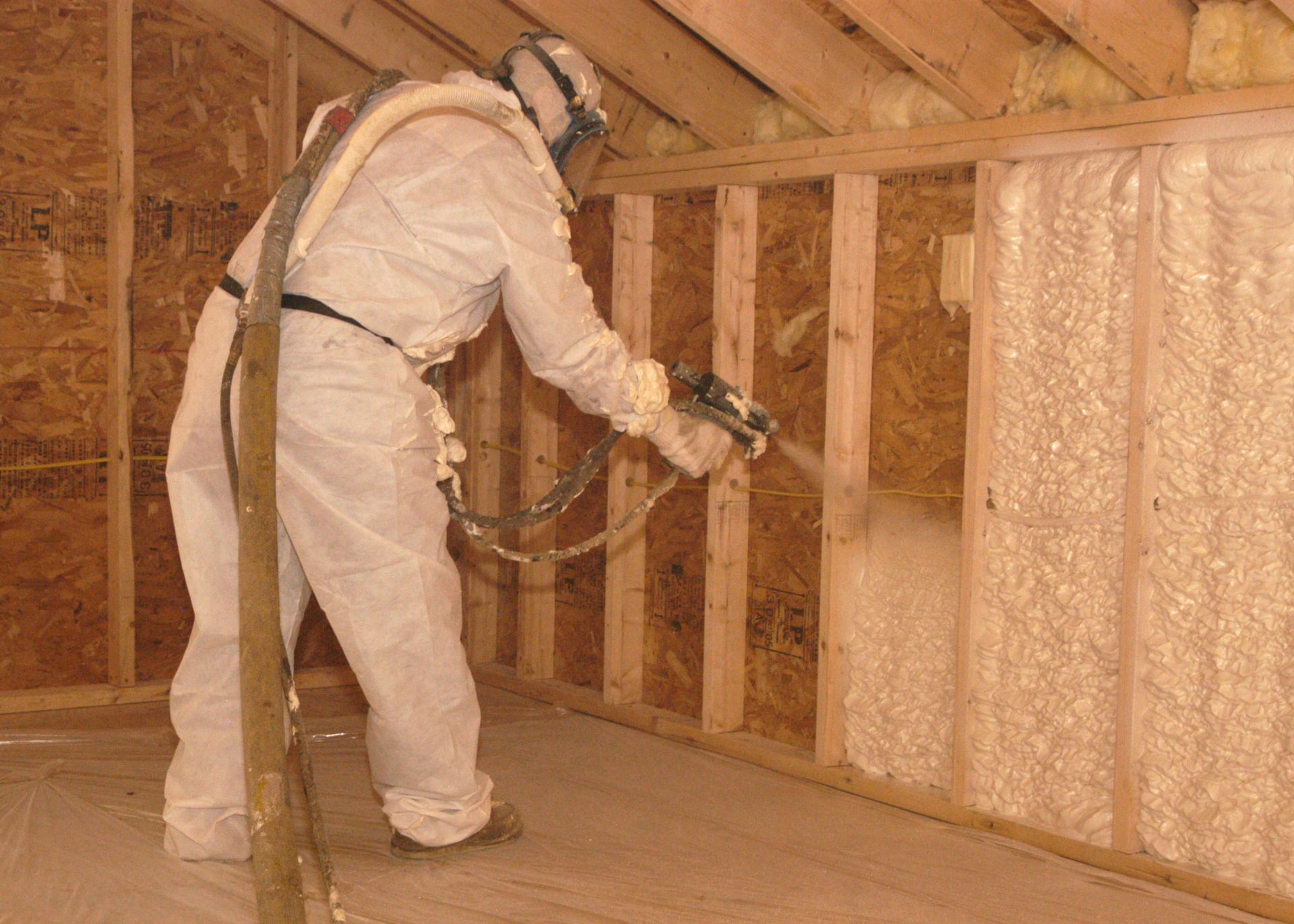
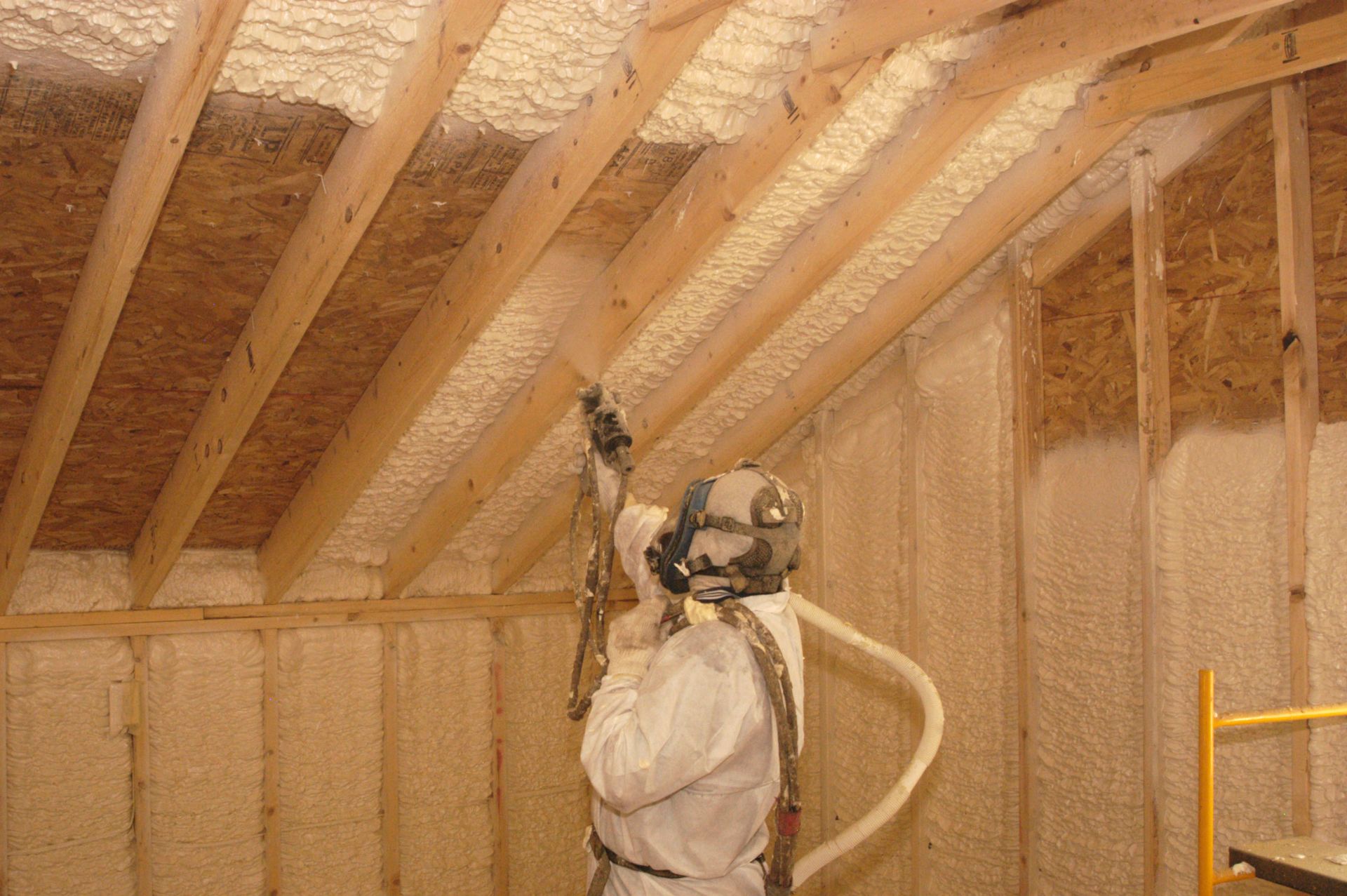
Because spray foam insulation expands to fill openings, it can create a tighter air seal than materials that simply rest between framing components. A more complete seal helps reduce uncontrolled airflow and keeps conditioned air where it belongs. Limiting air movement also supports more consistent room temperatures throughout the home. This can make living spaces feel more comfortable while reducing the strain placed on furnaces, heat pumps, and air conditioning systems during periods of extreme weather. It may also reduce the need to rely on temporary solutions, such as portable heaters, window air conditioners, or repeated thermostat adjustments.
2. Reducing Ongoing Energy Waste
Energy waste often develops gradually, making it easy to overlook. Heating and cooling systems may appear to be working normally even while air escapes through hidden gaps. As a result, utility bills can increase without an obvious explanation. Homes with older insulation, unfinished attics, or poorly sealed additions may be especially vulnerable. Repeated energy loss can add up over many seasons and make the home more expensive to operate than necessary.
According to HomeGuide, the R-value of spray foam insulation ranges from 3.5 to 7 per inch, depending on the type and manufacturer. In addition to resisting heat transfer, the material can help reduce air leakage when applied properly. This combination may improve the overall thermal performance of walls, roofs, and other insulated areas. Better efficiency can support lower energy use, reduce unnecessary equipment operation, and create more predictable indoor comfort throughout the year.
3. Limiting Moisture and Condensation
Moisture can enter a home through roof gaps, foundation openings, humid outdoor air, or warm air moving into cooler building cavities. When that moisture condenses, it can dampen wood, insulation, drywall, and other materials. Persistent moisture may lead to staining, unpleasant odors, deterioration, and conditions that support mold growth. These problems are often difficult to detect because they can begin behind walls, beneath floors, or inside attic and crawl space assemblies.
Closed-cell spray foam insulation can help limit moisture movement while sealing many of the openings that allow humid air to enter. Reducing uncontrolled airflow lowers the chance that warm, moist air will reach cold surfaces and create condensation. Although insulation cannot correct an active plumbing leak or roof failure, it can be part of a broader moisture-control strategy. Proper installation, ventilation, drainage, and maintenance work together to protect vulnerable areas from long-term dampness.
4. Discouraging Recurring Pest Entry
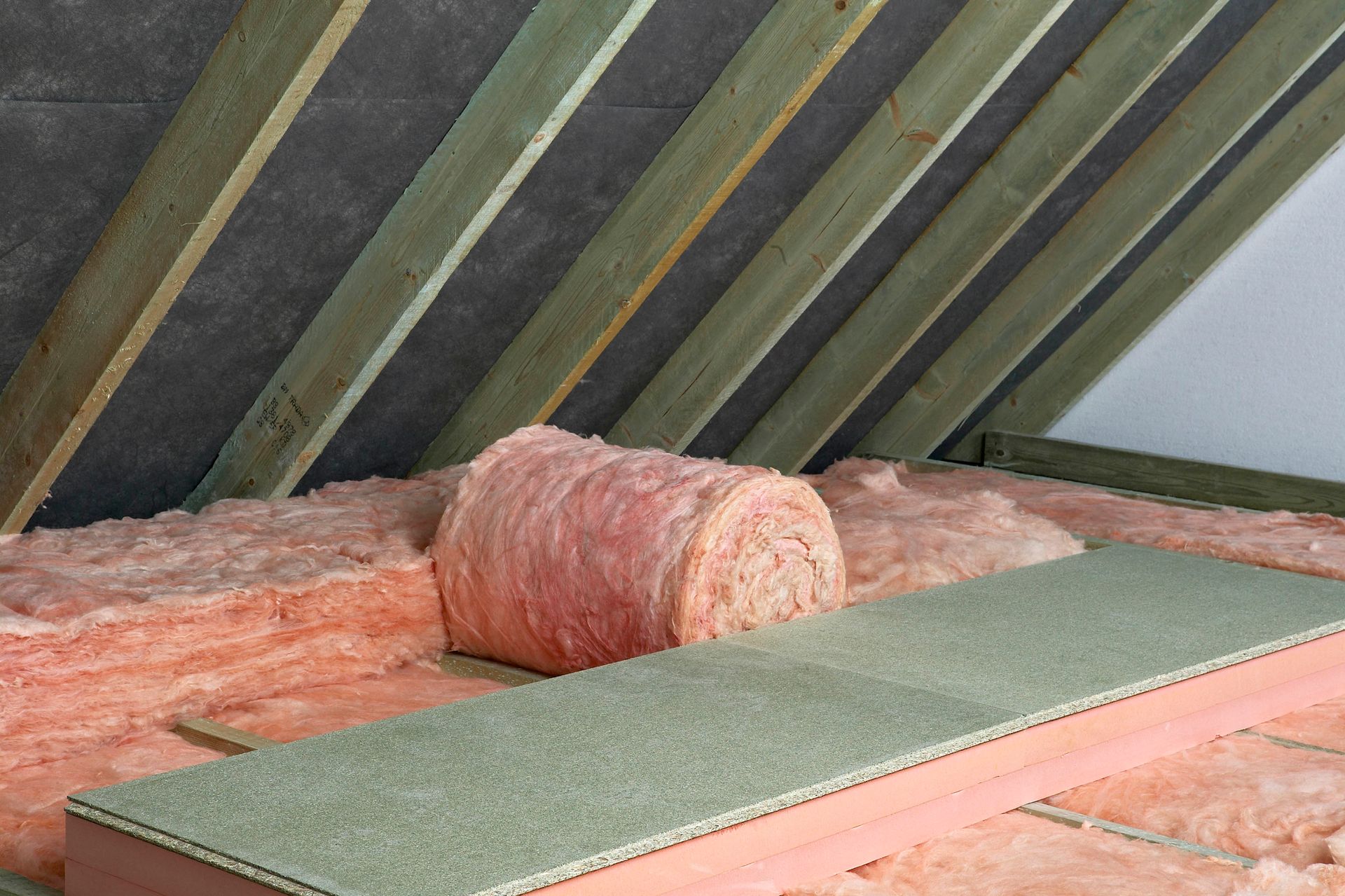
Insects and small animals often enter homes through narrow cracks around pipes, vents, siding, foundations, and rooflines. Once inside, they may nest in wall cavities, attics, crawl spaces, or insulation. Spray foam insulation helps seal many of these small openings that pests use to enter, while traditional insulation may not block gaps around framing or mechanical penetrations. Pest activity can create noise, odors, contamination, and damage to wiring or building materials.
Expanding foam can help close many of these access points by filling irregular spaces. A tighter building envelope may make it harder for pests to move through hidden cracks and settle inside the structure. However, foam is not a replacement for professional pest control, and damaged exterior materials should still be repaired. Combining air sealing with routine inspections, proper food storage, and exterior maintenance provides a stronger defense against recurring pest problems.
5. Minimizing Outdoor Noise Transfer
Traffic, nearby construction, barking dogs, lawn equipment, and neighborhood activity can make indoor spaces feel less peaceful. Sound often travels through gaps around walls, ceilings, doors, and utility openings. Rooms near busy streets or shared property lines may be especially affected. While no insulation can eliminate all exterior noise, reducing open pathways can make unwanted sounds less noticeable and improve the overall comfort of bedrooms, offices, nurseries, and living areas.
Open-cell foam is often used where sound control is an important consideration because its structure can help absorb sound within wall and ceiling cavities. At the same time, sealing gaps reduces the pathways through which noise can travel. The results depend on wall construction, foam type, thickness, windows, doors, and other materials. A thoughtful insulation plan can support a quieter interior while also improving temperature control and reducing air movement. This can be particularly valuable in home offices, media rooms, bedrooms, and other spaces where concentration, conversation, or restful sleep matters.
6. Protecting Heating and Cooling Equipment
Heating and cooling equipment works harder when a home loses conditioned air through poorly sealed areas. Longer cycles increase wear on motors, fans, compressors, and other components. Uneven temperatures may also cause homeowners to adjust thermostats repeatedly or use portable heaters and fans to compensate. Over time, excessive operation can contribute to more frequent repairs, reduced efficiency, and a shorter service life for expensive mechanical systems.
By improving air sealing and thermal resistance, spray foam insulation can help the home maintain the desired temperature with less effort from the HVAC system. Reduced workload may support steadier operation and fewer extreme temperature swings. Insulation is only one part of equipment performance, so regular maintenance, clean filters, correct sizing, and properly sealed ductwork still matter. Together, these measures can help protect the system and improve long-term reliability.
7. Preserving Vulnerable Structural Materials
Building materials can weaken when they are repeatedly exposed to moisture, temperature changes, and uncontrolled air movement. Wood may swell, shrink, or rot, while metal fasteners and components can corrode. Drywall and finishes may crack or stain as surrounding materials shift. These issues may develop slowly, but they can eventually lead to expensive repairs if the underlying conditions remain unaddressed.
Closed-cell foam can add rigidity to certain wall and roof assemblies while helping reduce moisture and air intrusion. Limiting the conditions that contribute to deterioration, it may help protect framing and other materials over time. Professional installation is important because the correct foam type, thickness, and application method depend on the location and construction of the home. Proper planning helps avoid trapped moisture and supports the long-term performance of the entire building assembly.
Long-term insulation performance involves more than slowing heat transfer. A properly sealed and insulated home can experience fewer drafts, lower energy waste, reduced condensation, less pest entry, quieter rooms, lighter HVAC workloads, and better protection for structural materials. Spray foam insulation can address many of these concerns by creating a continuous barrier in spaces where gaps are common. The best results depend on professional evaluation, correct product selection, careful application, and attention to ventilation and moisture control. To learn how your property could benefit from a customized insulation plan, contact Greener World Solutions LLC.
Share On: