
Choosing a Spray Foam Insulation Company for Your Home
Selecting the right team to handle residential insulation is one of the most critical decisions a homeowner can make for long-term comfort and efficiency. With a wide variety of contractors available, identifying the right partner requires careful consideration of technical skill, safety adherence, and verifiable credentials. Proper thermal barriers do far more than just keep a house warm in winter and cool in summer; they seal air leaks, protect building components from moisture accumulation, and dramatically reduce monthly utility expenses. Engaging an experienced spray foam insulation company ensures that the application process follows exact manufacturer ratios and safety standards, protecting the physical structure of your house for decades to come.
Navigating the market can feel overwhelming without a clear roadmap of what to look for and which questions to ask. Homeowners need to evaluate product options, verify regulatory licenses, assess technician expertise, and weigh comprehensive project proposals to avoid costly mistakes. An investment in high-performance building envelope improvements yields substantial dividends over time, but only when the installation is executed with professional precision. By prioritizing thorough research, transparent pricing, and documented credentials, you will position yourself to secure an insulation service that delivers exceptional indoor air quality, reduced environmental impact, and sustained energy performance.
Understanding Thermal Performance and Building Envelope Principles
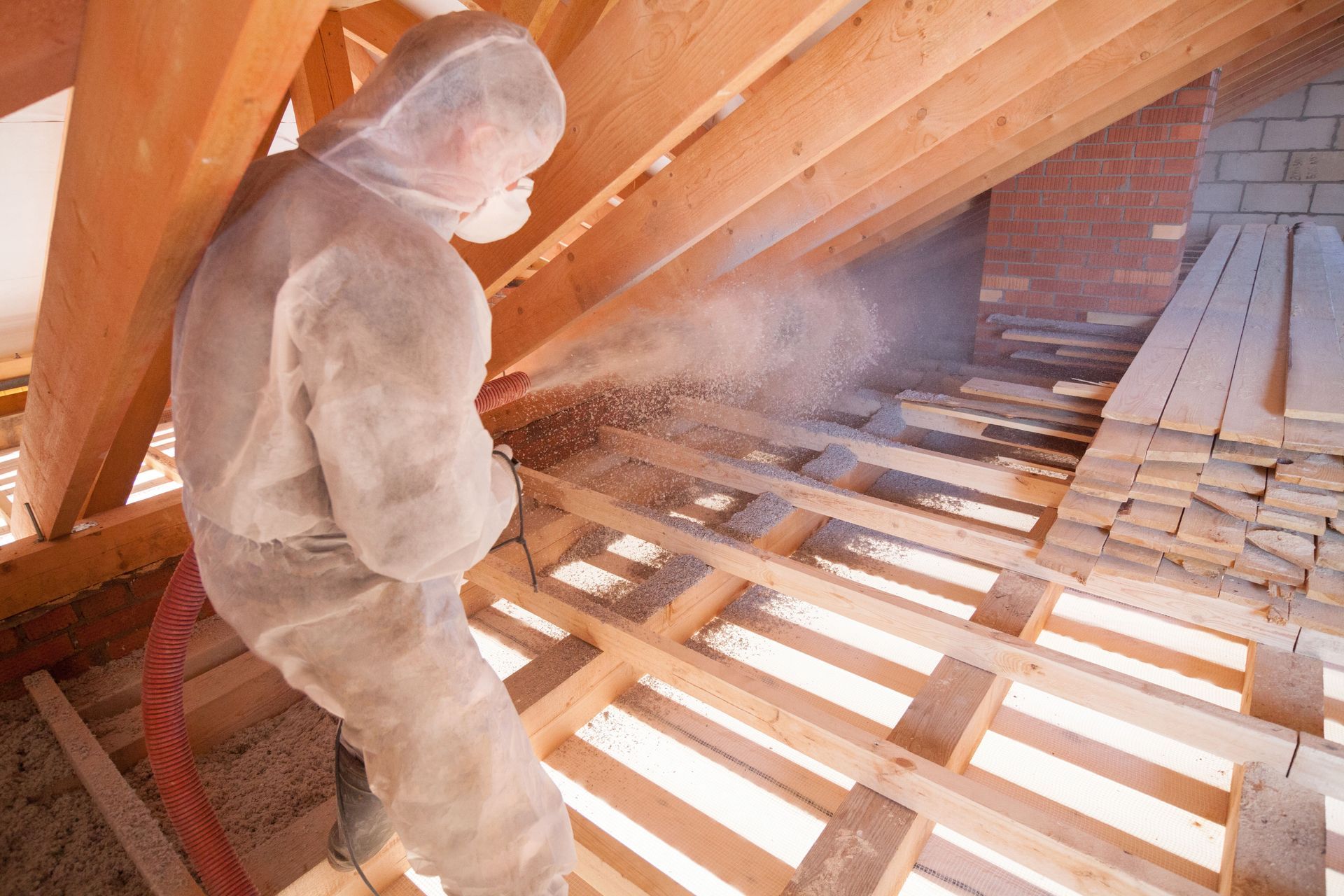
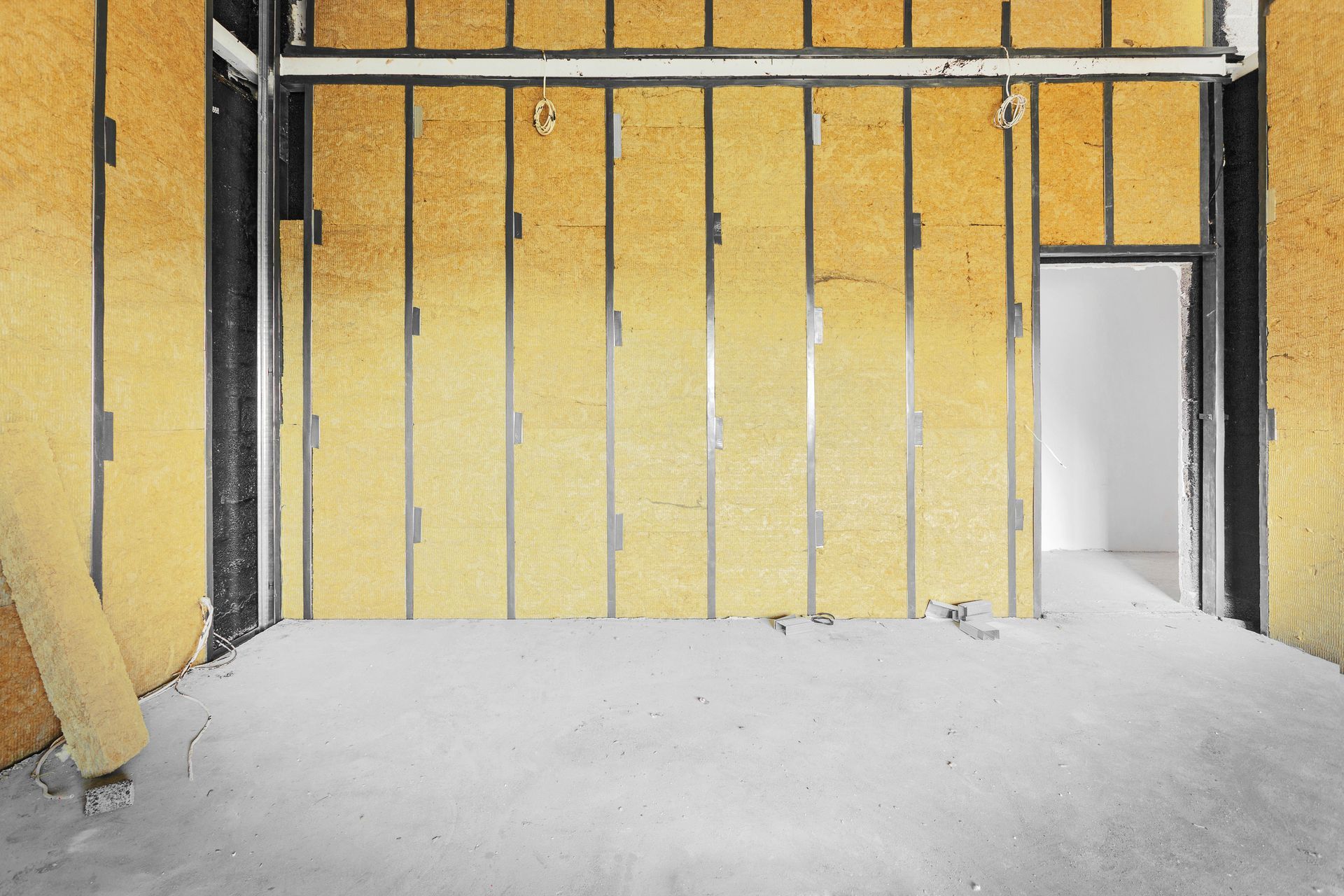
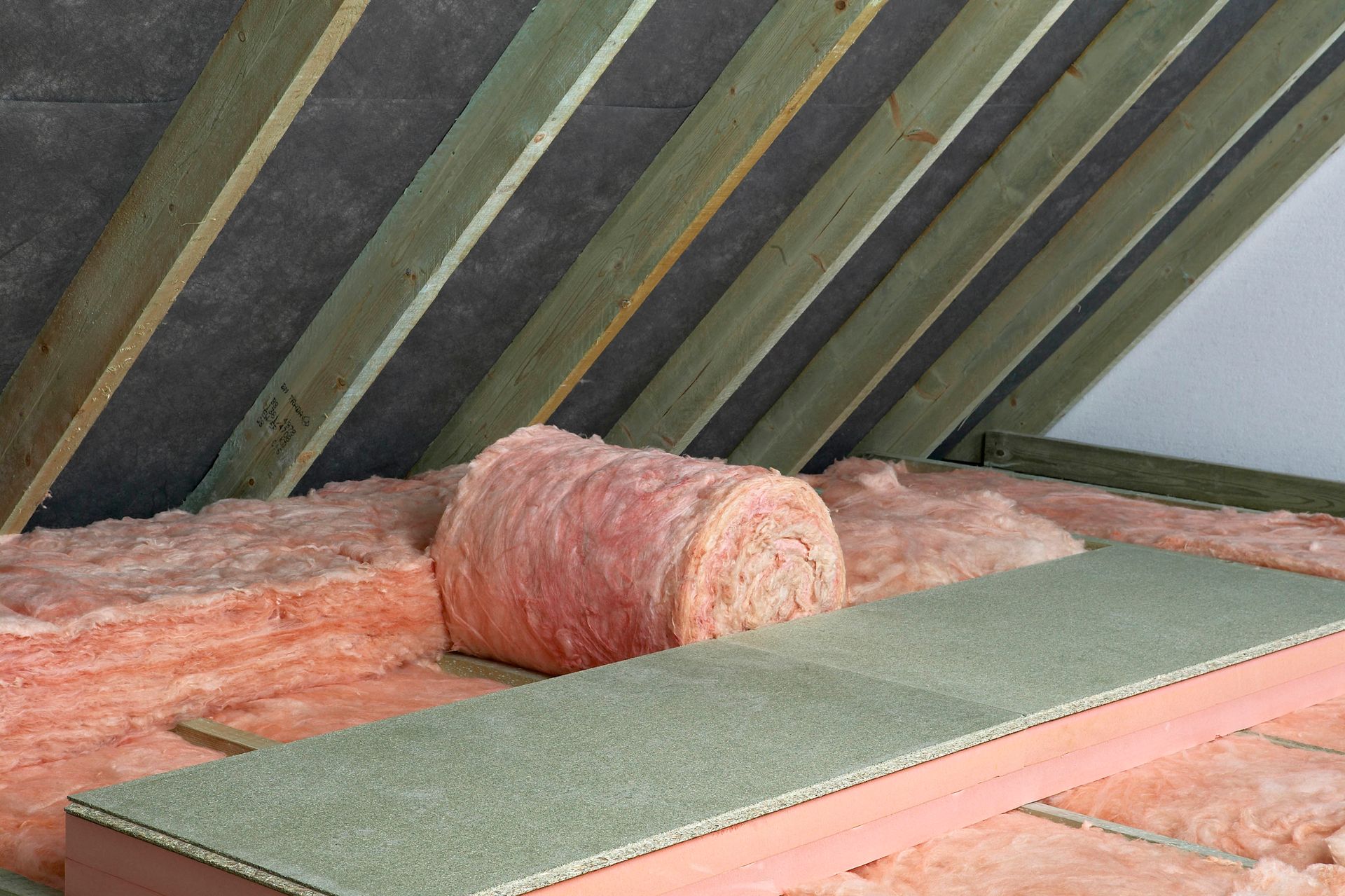
The science behind modern residential insulation centers on controlling the flow of heat, air, and moisture across the exterior building envelope. Traditional batt insulation, commonly made to fit between framing members, offers a different set of benefits compared to spray foam. According to This Old House, batt insulation is typically made for standard spacing, which means it may leave gaps in non-standard or irregular spaces. Spray foam, however, expands and conforms to the space it inhabits, providing a more comprehensive insulating layer. The higher initial cost of spray foam is often balanced by its superior ability to insulate and its potential to improve energy efficiency.
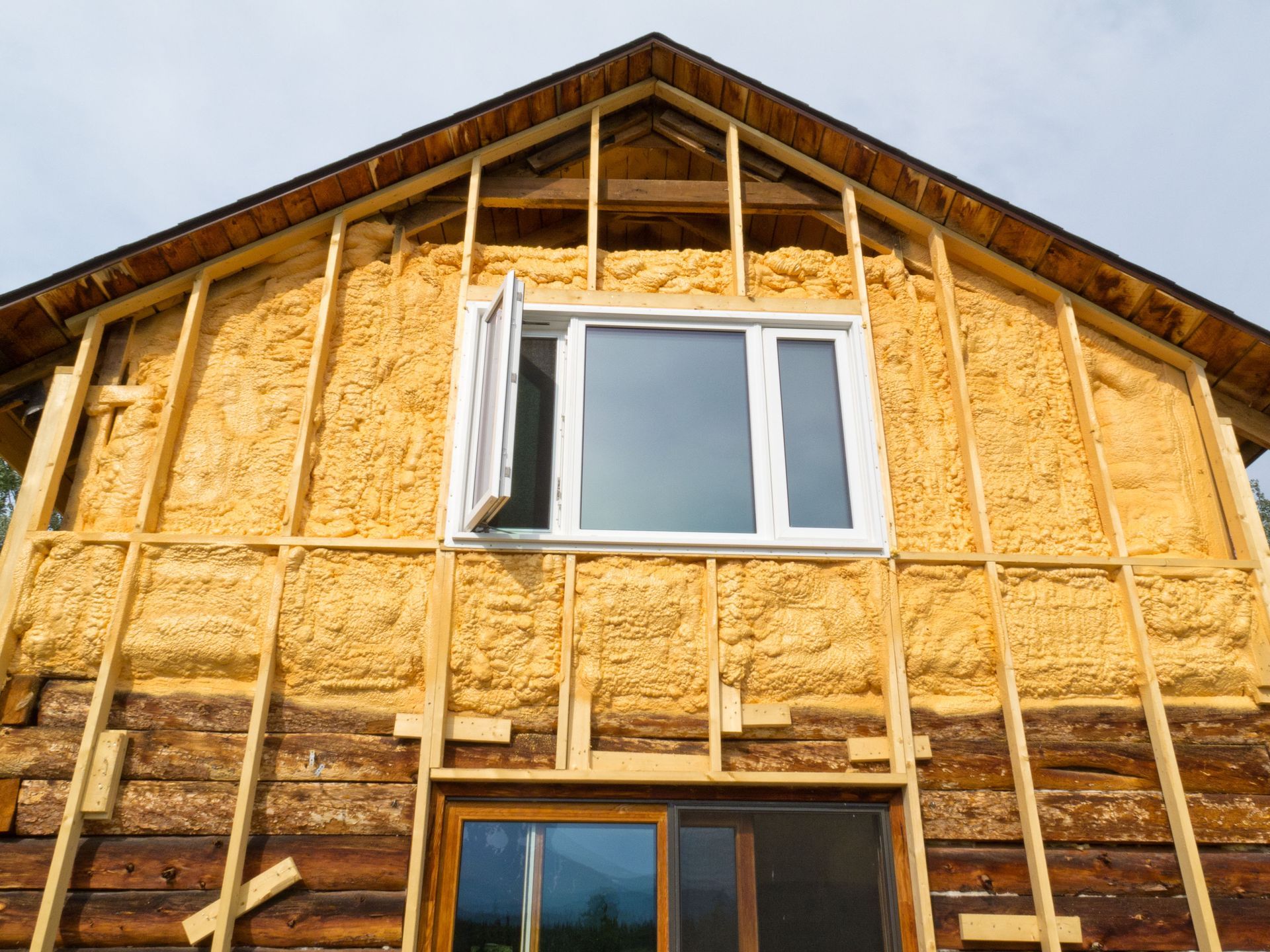
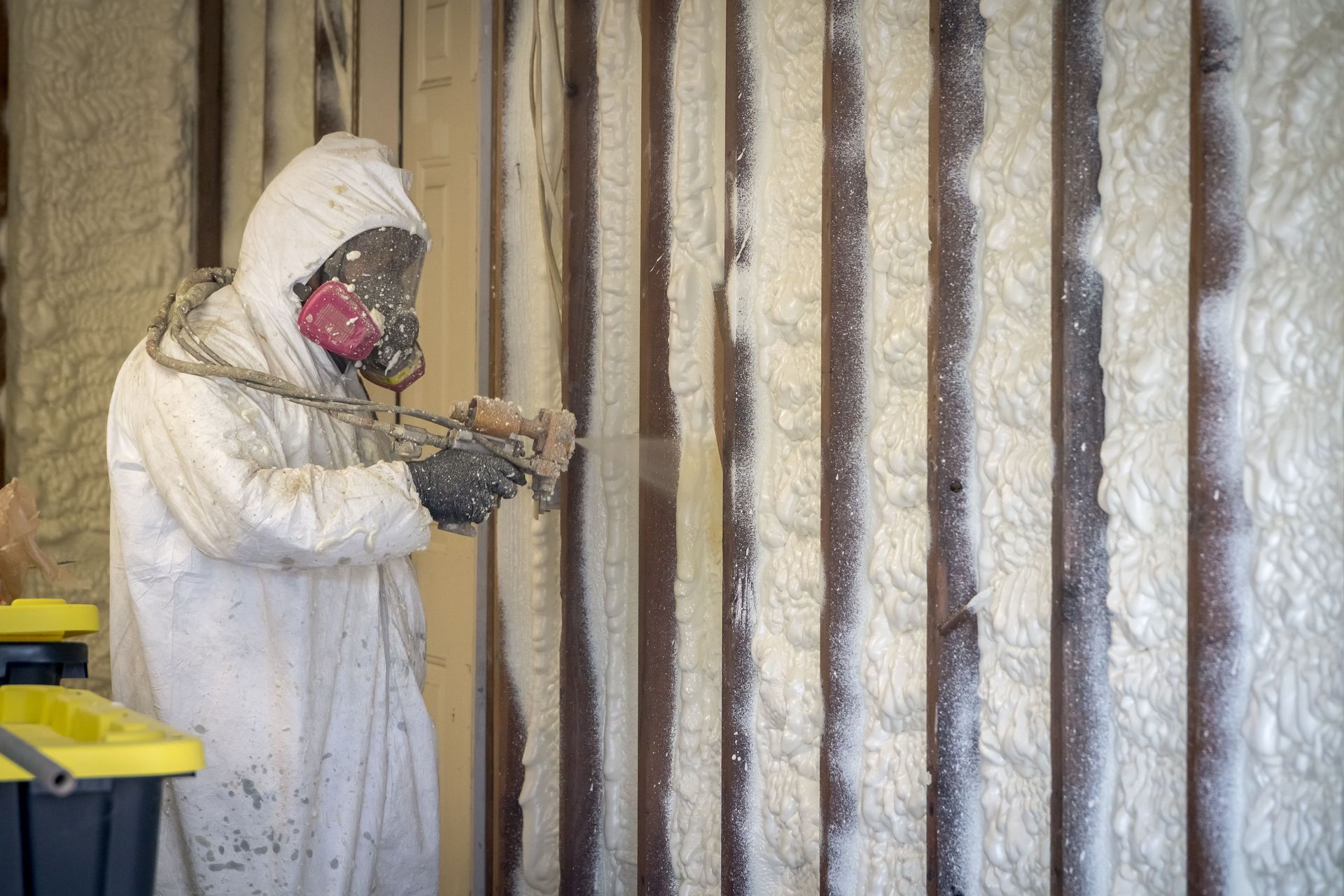
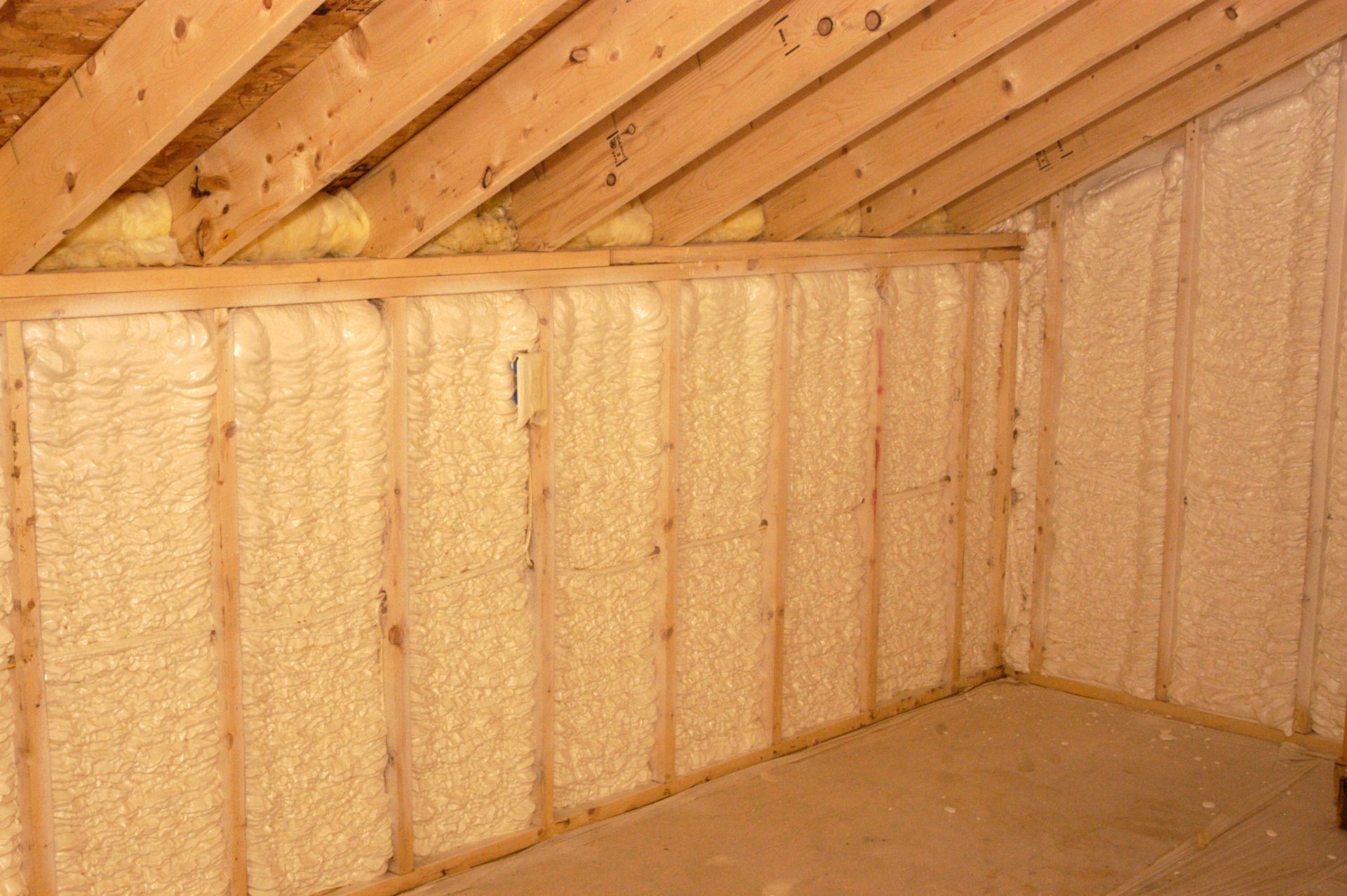
Spray applied polyurethane operates through an exothermic chemical reaction between two liquid components, creating either an open-cell or closed-cell matrix upon application. Open-cell foam remains relatively flexible and lightweight, making it an excellent air barrier and sound-dampening medium for interior partitions and floor assemblies. Closed-cell varieties produce a dense, rigid barrier that delivers a substantially higher thermal resistance value per inch while acting as a code-approved vapor retarder. When a certified spray foam insulation company evaluates an attic, crawl space, or exterior wall assembly, technicians examine local climate dynamics and moisture conditions to prescribe the exact density and depth necessary for optimal thermal control.
Investigating Contractor Credentials and Professional Accreditations
Verifying the formal qualifications of prospective contractors represents an indispensable early step in screening candidate service providers. Professional polyurethane foam application requires extensive technical training in chemical safety, equipment maintenance, and building code compliance. Homeowners should actively seek contractors holding master installer certifications from established industry bodies such as the Spray Polyurethane Foam Alliance. These specialized credentials confirm that the operating technicians have demonstrated hands-on mastery in spray techniques, ventilation protocols, personal protective equipment usage, and on-site environmental monitoring.
In addition to trade certifications, verifying basic state licenses and comprehensive insurance policies is essential to protect your property during the project lifecycle. A qualified spray foam insulation company carries general liability coverage as well as dedicated workers' compensation insurance for every technician working on the premises. Without these protections, property owners could face severe financial liabilities in the event of job-site accidents, chemical overspray damage, or equipment mishaps. Reputable contractors willingly provide physical copies of active insurance certificates, state licensing details, and manufacturer partnership verifications during initial consultations, confirming that their business practices adhere strictly to local and national regulatory mandates.
Evaluating Past Performance and Customer Reputation
Assessing the track record of an insulation contractor provides direct insight into how the team manages project timelines, client communication, and overall workmanship. Independent online review platforms, local business bureaus, and construction forums present honest feedback from previous clients regarding punctuality, cleanliness, and professionalism. Recurring positive remarks about clear communication, respectful crew behavior, and thorough post-project cleanups indicate an established culture of accountability. Conversely, consistent complaints regarding chemical odors, missed appointments, or unaddressed billing disputes serve as clear warnings to eliminate a contractor from consideration.
Direct peer discussions and neighbor recommendations can offer valuable perspectives when evaluating potential candidates for residential retrofits. Homeowners should ask prospective contractors for recent references from projects that share similar architectural parameters, such as historical preservation homes, unvented attic conversions, or complex crawl space encapsulations. Speaking directly with previous customers clarifies how a spray foam insulation company responds when unexpected challenges arise during the project. A contractor dedicated to client satisfaction addresses follow-up questions promptly and takes ownership of any required remediation, ensuring the final thermal envelope meets all specified energy standards.
Comparing Project Estimates and Contractual Transparency
Securing detailed, written estimates from multiple licensed providers establishes a realistic baseline for project costs, materials, and scopes of work. A comprehensive proposal should detail the exact chemical formulation being installed, the targeted thickness, the resulting thermal values, and the precise square footage covered in each building zone. Contractors should also outline necessary preliminary preparations, such as masking adjacent surfaces, staging mobile generator rigs, and setting up dedicated exhaust ventilation fans to purge airborne compounds. Vague, single-number estimates that fail to separate material costs, labor, disposal, and prep work should be viewed with skepticism.
Examining these written estimates allows homeowners to detect hidden omissions that might lead to unexpected change orders during execution. The lowest bid often reflects reduced material thickness, substandard chemical brands, or the complete omission of crucial preparation steps like clearing away degraded existing insulation. When reviewing these bids, verify whether the spray foam insulation company includes removal services, specialized ignition barriers, and thermal coatings required by local building codes for exposed attic applications. Clarifying payment schedules, progress milestones, and written warranty coverage upfront protects both parties and eliminates ambiguities before physical work begins on the residence.
Preparing the Job Site and Managing Application Protocols
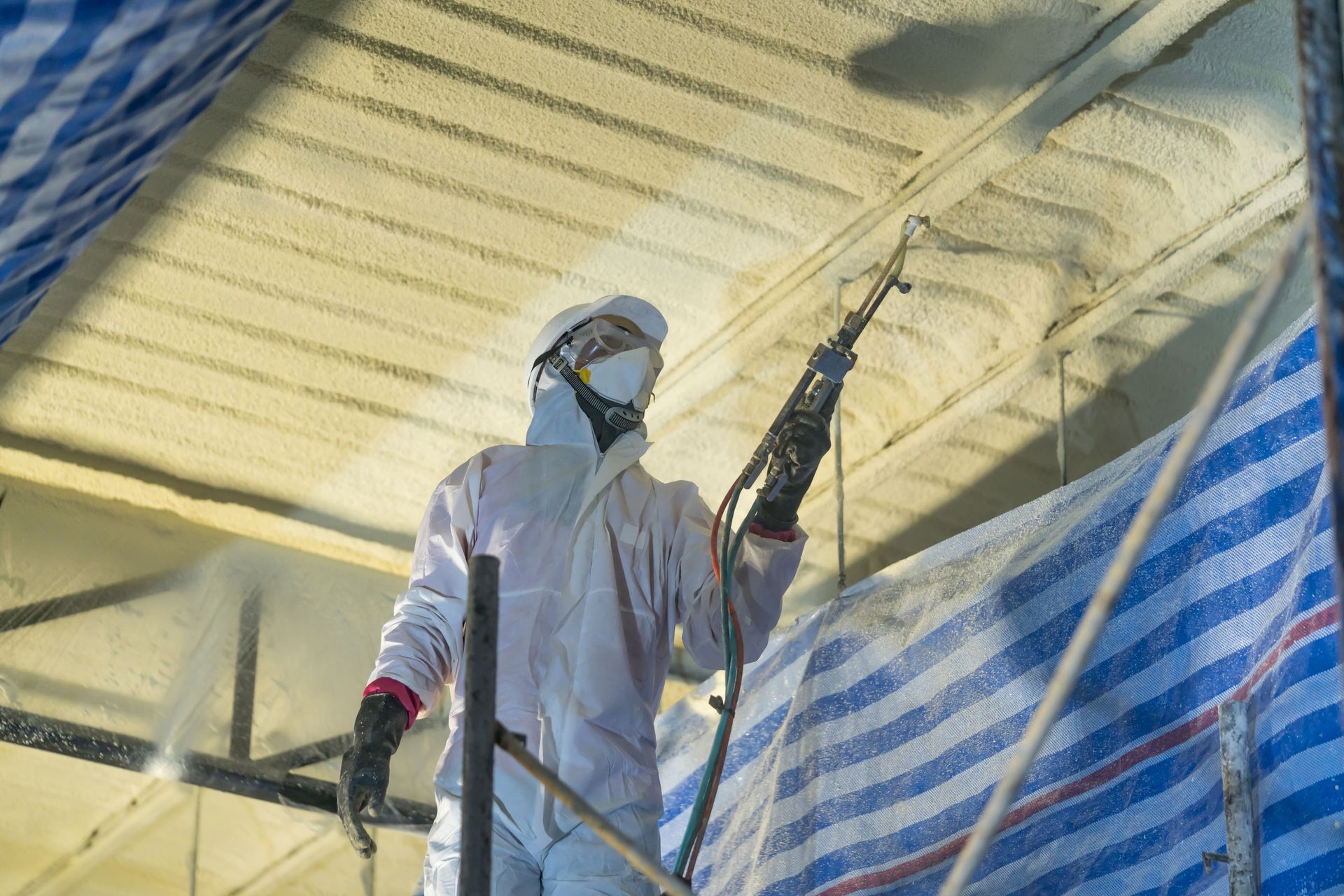
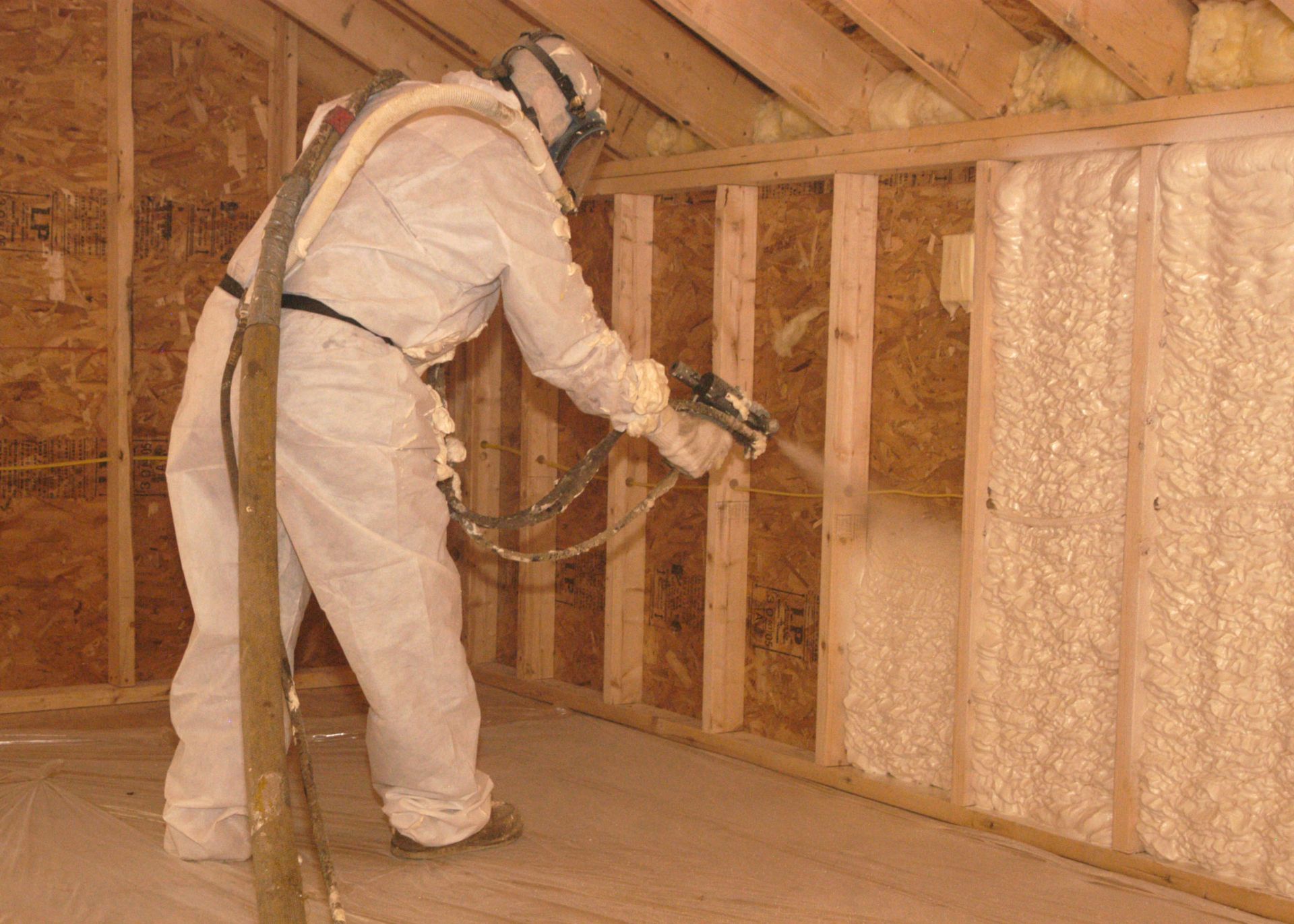
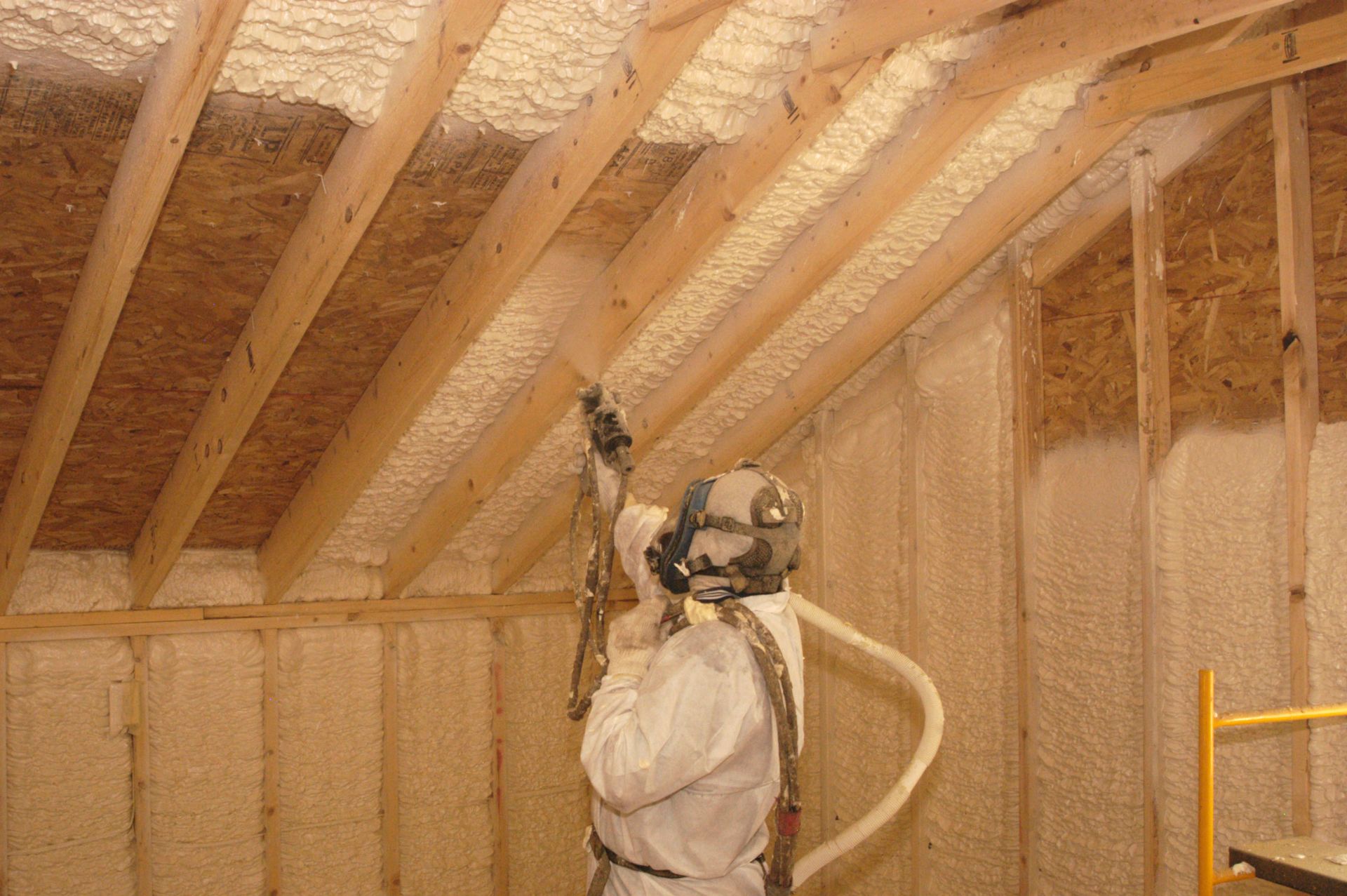
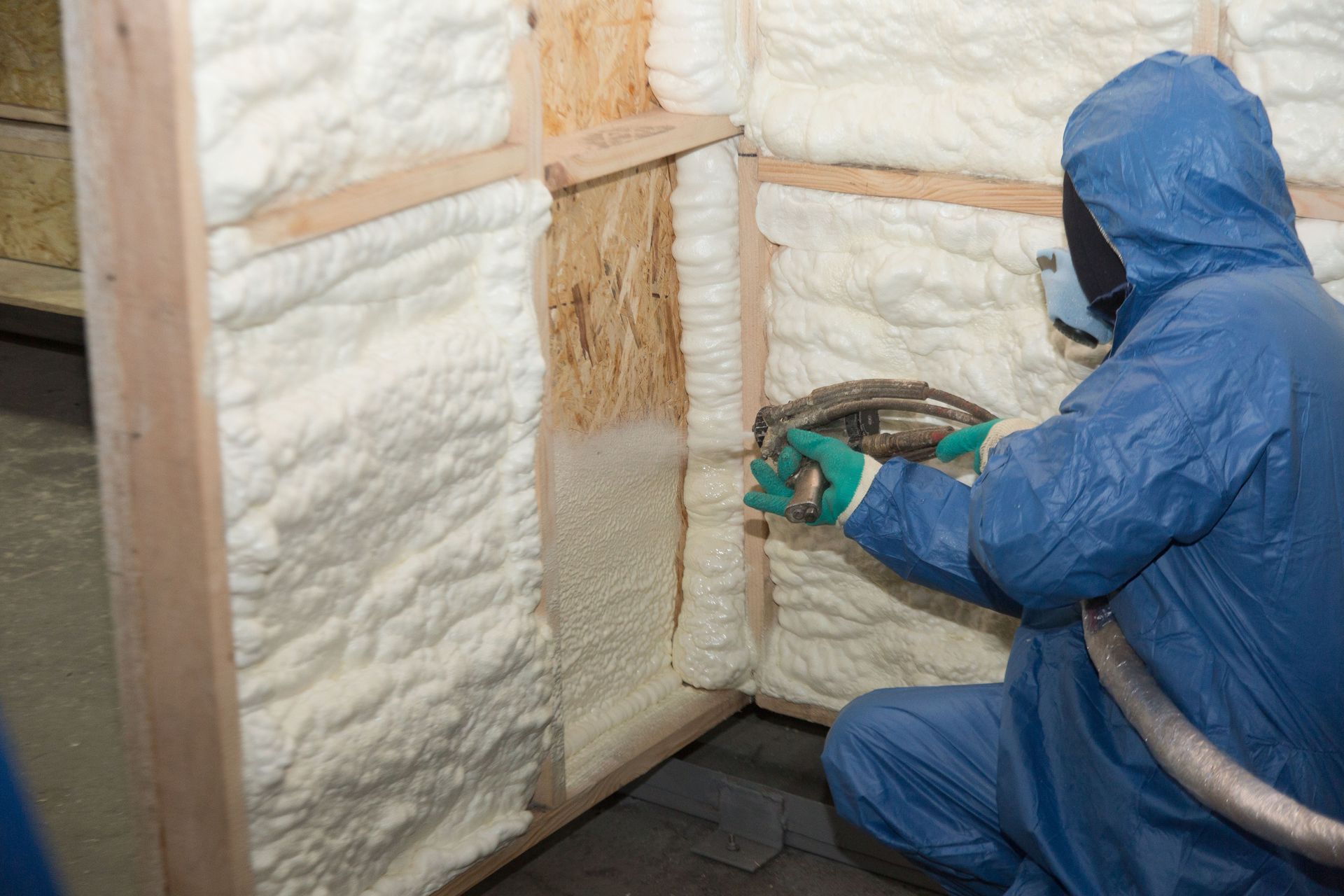
Safe, high-quality polyurethane foam installation relies on strict site preparation and precise environmental control throughout the application phase. Chemical components require precise temperature, pressure, and substrate moisture conditions to expand and cure into an inert, stable polymer matrix. Technicians must use moisture meters to test wood framing and concrete surfaces, ensuring moisture levels remain below critical thresholds that could otherwise compromise foam adhesion. Additionally, teams must seal off living spaces using heavy plastic barriers and run continuous negative-air exhaust fans to route volatile compounds safely outside the home structure.
Professional contractors establish clear safety guidelines for household occupants, typically mandating that families and pets vacate the premises for twenty-four to forty-eight hours while the foam fully cures. During this application window, experienced technicians monitor drum temperatures, hose pressures, and ambient humidity to prevent chemical imbalances that could cause persistent off-gassing. A dedicated spray foam insulation company follows these rigid guidelines meticulously, leaving behind a fully cured, inert, and odorless insulation layer that enhances indoor comfort. Their attention to detail during site cleanup and final safety testing ensures that your home is safe, properly sealed, and structurally sound for immediate re-occupancy.
Upgrading your home with advanced thermal barriers is a transformative investment that permanently enhances residential comfort, cuts energy expenditures, and safeguards structural materials from exterior moisture infiltration. Because the success of spray foam depends entirely on correct chemical ratios, precise application depth, and stringent environmental controls, selecting an accredited contractor is vital to achieving maximum performance. Choosing a certified
spray foam insulation company ensures that your installation complies with all manufacturer specifications, municipal building codes, and job-site safety standards.
Taking the time to verify licensing, compare transparent proposals, and review past client experiences guarantees that your insulation project proceeds safely and delivers lasting value. When you are ready to modernize your building envelope and enjoy substantial year-round utility savings, contact Greener World Solutions LLC to schedule a comprehensive residential assessment and discover the ideal insulation strategy for your property.
Share On: